Christ Sitting: An Introduction to Symbolism, Meaning, and Biblical Context
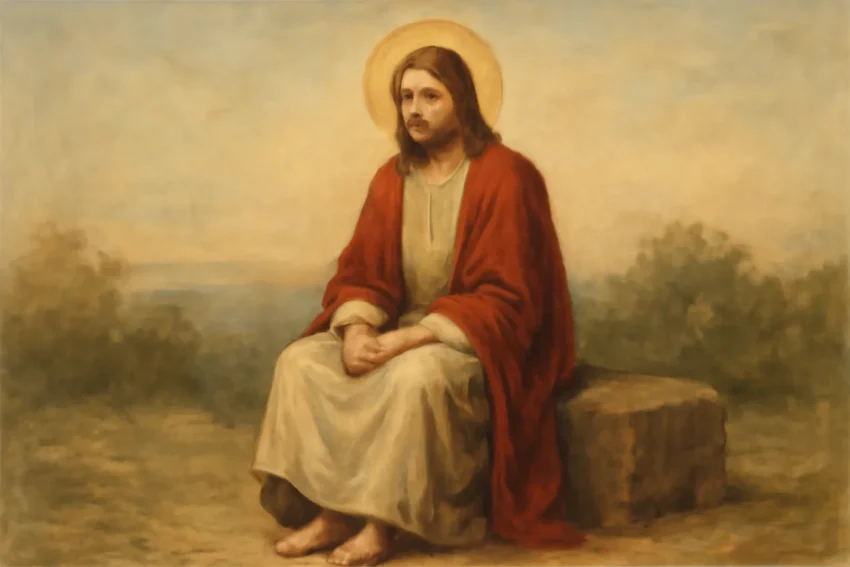
The phrase “Christ sitting” evokes a set of images that recur across Christian art, theology, and liturgy. It is not merely a visual pose, but a compact symbol whose layers of meaning touch governance, salvation, intercession, and cosmic order. In its various forms—Christ seated, the sitting Christ, Christ sitting at the right hand, or the seated Messiah—this motif communicates authority, rest, and an established reign that is both present and eschatological. This article surveys the symbolism, meaning, and biblical context of Christ sitting, exploring how the image functions in Scripture, theology, art, and daily faith.
To understand Christ sitting, it helps to trace its roots in both the Old and New Testaments. The image of sitting conveys more than physical posture; it signals authority, judgment, and settled rule. In the Old Testament, God is described as enthroned, a motif that sets a frame for the Christian interpretation of Christ’s lordship.
Old Testament Precedents
God on the throne as the cosmic ruler who administers justice and mercy and who governs creation from a place of sovereignty.
The idea of rest and rule in prophetic writings, where peace and righteous governance come from a sovereign king who sits and reigns.
Wisdom literature sometimes couches insight and governance in terms of a throne’s authority, hinting at a figure who makes wise, rightful rulings from a place of seated authority.
New Testament Realizations
In the Christian canon, Christ sitting crystallizes in statements about Jesus being seated at the right hand of the Father and as the object of heavenly enthronement. This phrase appears in multiple strands of Scripture to express both present reign and future consummation.
Jesus’ ascension and enthronement establish the exalted Christ who now exercises universal authority.
New Testament letters speak of believers being seated with him in a spiritual sense, pointing to participation in his rule and his ongoing intercession.
The book of Revelation presents the Lamb who is seated on a heavenly throne and who opens the scrolls of history, guiding the climax of salvation history.
Across these strands, the image of Christ sitting communicates that Jesus is not a merely historical figure but a living center of cosmic order—one whose authority, mercy, and redemptive work are ongoing. The phrase Christ sitting therefore spans the arc from incarnation to glorification and into the life of the church, where believers share in his reign and his rest.
Symbolic Meanings of Christ Sitting: Rest, Rule, and Intercession
The posture of sitting is loaded with symbolism. When Christians speak of Christ sitting, they invoke several interrelated meanings that help interpret the Christian story and the believer’s experience within it.
Authority and Rule: A seated figure on a throne signals sovereign governance. Christ sitting proclaims that Jesus rules with final authority over all creation and history.
Rest and Completion: Sitting implies that the work of salvation is accomplished in a decisive way. The phrase suggests rest in Christ as the believer’s trust—God’s redemptive work is complete in the person and work of Jesus.
Mediatorship and Intercession: The image of a seated Christ who intercedes for the saints emphasizes ongoing priestly ministry. In Hebrews, Jesus is described as a priest who sits down at God’s right hand, indicating that his priesthood is effective and perpetual.
Judicial Authority: As king and judge, the enthroned Christ dispenses justice. The sitting position communicates that judgments and judgments’ outcomes are under divine sovereignty.
Hope and Eschatology: The seated Christ is a forward-looking symbol—the one who will come again to consummate the kingdom and bring all things to their intended end.
Different contexts emphasize different facets. In liturgy and worship, the image may stress rest in God and the comfort of Christ’s presence. In doctrinal instruction, it may stress kingly authority and mediatorial work. In devotional art, the motif often highlights wisdom, sovereignty, and mercy colliding in one crown-wearing, throne-sitting Savior.
Christ Sitting as King and Priest: Theological Crossroads
Two classic offices often come together in the image of a sitting Christ: king and high priest. This dual role helps explain why the motif resonates across different Christian traditions and epochs.
Kingly Authority
In the Christian narrative, Christ as King reigning from a throne carries the promise of justice, peace, and universal governance. The enthroned Christ embodies sovereignty over creation, reminding believers that the universe is not arbitrary but governed by a benevolent ruler who loves and sustains all things. This interpretation supports a robust doctrine of eschatology (the study of end things) in which the present age is under Christ’s rule and the future age is the fulfillment of that rule.
Priestly Intercession and Mediation
Equally important is the image of Christ as high priest, who is seated at the right hand of God and who intercedes for believers. The sitting posture here signals that Christ’s priestly work is complete and effective: he has offered the once-for-all sacrifice and now mediates on behalf of the church. The phrase “seated at the right hand” in Hebrews and related texts underscores that intercession is an ongoing, present reality. For believers, this means they have access to grace in prayer because a living mediator abides in heaven.
Together, these two dimensions—kingship and priesthood—frame a holistic portrait of Christ sitting as both ruler and reconciler. The throne is not merely a symbol of power; it is the site where justice meets mercy, where sovereignty becomes service, and where God’s purposes for creation unfold through Jesus.
Art, Iconography, and Liturgy: Representing a Seated Christ
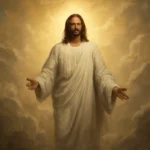
Throughout church history, artists and liturgists have used imagery of Christ sitting to teach and inspire. The seated Christ appears in altarpieces, iconography, stained glass, and sculpture, often accompanied by symbols that reinforce his roles as ruler and priest.
Iconographic Features
A throne or a celestial seat, signaling sovereignty and divine authority.
A gesture of blessing or a calm, contemplative expression, conveying peace and mercy.
Often the right hand is raised in blessing or placed over the heart—both gestures of grace and intercession.
In liturgical contexts, the image of the seated Christ can accompany prayers for intercession and mediation, as well as the proclamation of Christ’s kingly reign. Hymns and creeds long reflect the conviction that Jesus is now present in heaven, ruling and interceding on behalf of the church. For many believers, this theological posture translates into confidence, worship, and trust in God’s ongoing plan.
Even the language of the liturgy can mirror the iconography. Phrases about Christ’s enthronement and his place at the Father’s right hand function as a call to trust not in human institutions but in the divine, enduring sovereignty of the living Christ.
Variations of the Phrase: How Language Shapes Meaning
Authors and theologians use a spectrum of expressions to describe the same core reality: that Jesus occupies a position of authority, intercession, and glory. These variations help readers grasp different facets of the mystery and keep the conversation lively across cultures and eras.
Common Variants
Christ sitting on the throne emphasizes sovereign rule and cosmic governance.
Christ seated at the right hand foregrounds intercession and mediatorial work.
Seated Messiah evokes the fulfillment of messianic expectations and the completion of salvation history.
Sitting Christ in devotional literature often stresses rest in grace and the comfort of God’s presence.
Christ in glory or Christ enthroned broadens the image to include eschatological fulfillment and universal worship.
Each variant carries a slightly different burden of meaning—yet they converge on the same theological center: Jesus is the living, ruling, mediation-based heart of the Christian story. The differences in phrasing allow Christians from diverse traditions to connect with the image in ways that speak most directly to their spiritual experiences and doctrinal emphases.
Historical Reception: Patristic and Early Church Interpretations
From the early centuries of the church, the seated Christ became a focal point in theology and worship. The Fathers read the image through the dual lens of Christ’s divinity and humanity, the redemptive work on the cross, and the anticipatory hope of the kingdom.
Patristic Insights
Early writers often linked Christ’s throne with his role as high priest and king, weaving together passages from Hebrews, Psalms, and prophetic literature. The concept of Christ’s ongoing intercession was especially central to their exhortations: prayer, worship, and fidelity are shaped by the knowledge that the risen Christ prays for the church. In this sense, the image of Christ sitting is not distant or abstract but deeply personal, a reassurance that the divine advocate remains engaged with humanity.
Medieval and Reformation Era
In medieval art and theology, the throne motif often accompanied depictions of the Last Judgment, the Roman pontifical liturgy, and the enthronement imagery of Christ the King. The Reformation brought renewed emphasis on the sufficiency of Christ’s atonement and the accessibility of grace, yet the motif of a living, ruling Christ at the right hand persisted as a reminder of Christ’s authority over salvation history and the church’s mission.
In contemporary theology, the image is frequently revisited in discussions of atonement, mediation, and eschatology. The idea that the risen Christ continues to rule and intercede remains a central thread in Christian reflection and practice.
Why should modern Christians care about the image of Christ sitting? Because it speaks directly to how believers live, pray, and hope. The symbolic posture translates into concrete spiritual realities that shape daily faith.
Confidence in prayer: If Christ is seated at the Father’s right hand as intercessor, believers can approach God with boldness, knowing their prayers are carried by a competent advocate.
Hope amid suffering: A sovereign, ruling Christ provides a framework for understanding pain and persecution within the larger arc of redemption.
Ethical living: The kingship aspect invites believers to participate in God’s justice and mercy, embodying the values of the kingdom in acts of service, charity, and peacemaking.
Worship and devotion: The image anchors worship in the realities of heaven—Christ’s authority, glory, and ongoing mission among the churches.
Unity of doctrine and practice: Recognizing both the royal and priestly offices helps reconcile diverse biblical themes, such as justice and mercy, judgment and grace, sanctification and union with Christ.
In personal devotion, readers might reflect on Christ sitting as a call to rest in God’s sovereignty, to seek reconciliation, and to participate in the divine mission with humility and courage. The image invites believers to align their own posture—whether in prayer, study, or service—with the steady, unshaken authority of the living Christ.
Frequently Asked Questions about Christ Sitting
What does it mean that Christ is seated at the right hand of God? It signifies his authority over creation and his ongoing role as intercessor and mediator, not a distant kingship but a living, active governance.
Is the image of Christ sitting literal or symbolic? Most Christian traditions treat it as a symbolic representation of real, ongoing realities—Christ’s sovereignty and priestly ministry in heaven, affecting the life of the church on earth.
How does the seated Christ relate to judgment? The throne imagery carries an element of righteous judgment—Jesus’ rule ensures that justice is administered according to divine wisdom and mercy.
Why is the image common in art and liturgy? It is a concise way to teach complex truths about who Jesus is, what he has accomplished, and what he continues to do for humanity.
How should believers respond to this image? With trust, worship, and active participation in God’s mission, recognizing that grace is mediated through Christ who prays for us and guides creation toward its intended end.
Across shelves of theology, canvases in churches, and prayers whispered in quiet rooms, the image of Christ sitting remains a powerful reminder that Jesus is not a distant memory but a present reality. He sits as King and Priest, governing creation with wisdom and mercy, mediating on behalf of the church, and guiding history toward its intended fulfillment. The phrase Christ sitting thus becomes a bridge between biblical narratives and daily life—between the heavenlies and the streets of our world, between doctrinal precision and spiritual comfort.
By embracing the multiple facets of this symbol—authority, intercession, rest, and hope—believers can approach God with confidence, live out a faithful witness in the world, and anticipate the day when all things will be made new under the reign of the seated Christ.