7 Feasts of God: A Complete Guide to Biblical Festivals and Their Significance
The biblical calendar is more than a set of historical commemorations. It is a rhythm that weaves together memory, worship, harvest, and redemptive revelation. The seven feasts of God, also known as the appointed times (in Hebrew, Moedim), present a coherent theological narrative from the Exodus to the era of the prophets, and to the New Testament fulfillment in Christian faith. These festivals are not merely reminders of what happened in ancient Israel; they are signs pointing toward divine purposes in history and in the person of Jesus Christ. In this comprehensive guide, we explore each feast, its original meaning, its agricultural and liturgical context, and its enduring significance for readers today.
Overview of the Moedim: The Biblical Appointed Times
The seven feasts of God are traditionally organized into two broad categories: the spring feasts and the fall feasts. The spring festival cycle centers on Passover, the Feast of Unleavened Bread, and Firstfruits, while the summer-to-fall sequence continues with Shavuot (Weeks), Rosh Hashanah (Trumpets), Yom Kippur (Day of Atonement), and Sukkot (Tabernacles). Each festival has a distinct timing in the Hebrew calendar, a set of rituals or sacrifices in ancient Israel, and a symbolic message about capture of divine salvation in history.
Throughout history, scholars and theologians have described these feasts as types and shadows of the gospel, as well as authentic memorials of God’s dealings with His people. While Jewish communities continue to observe them in distinctive ways, Christians often interpret the feasts as foreshadowing or fulfilling the work of Christ—especially in light of New Testament texts that connect Jesus with Passover, the grain offering, and the Spirit’s outpouring at Pentecost. In the pages that follow, each feast is examined with attention to its biblical roots, ritual practices, and contemporary application.
Passover (Pesach): Liberation, Covenant, and the Lamb
What this feast celebrated in ancient Israel
Passover marks the night when God delivered the Hebrew people from slavery in Egypt. It is centered on the blood of a Passover lamb, which protected the households of the Israelites when the final plague struck Egypt. The key elements—unblemished lamb, blood on the doorposts, and the haste of leaving Egypt—announce God’s saving acts and the birth of the Israelite nation as a people bound to Him by covenant.
In Leviticus 23 and Exodus 12, the festival is described as a sacred remembrance with ceremonial meals and precise liturgical steps. The name “Pesach” (Passover) conveys the idea of God passing over the homes of the faithful while bringing justice to the land of Egypt.
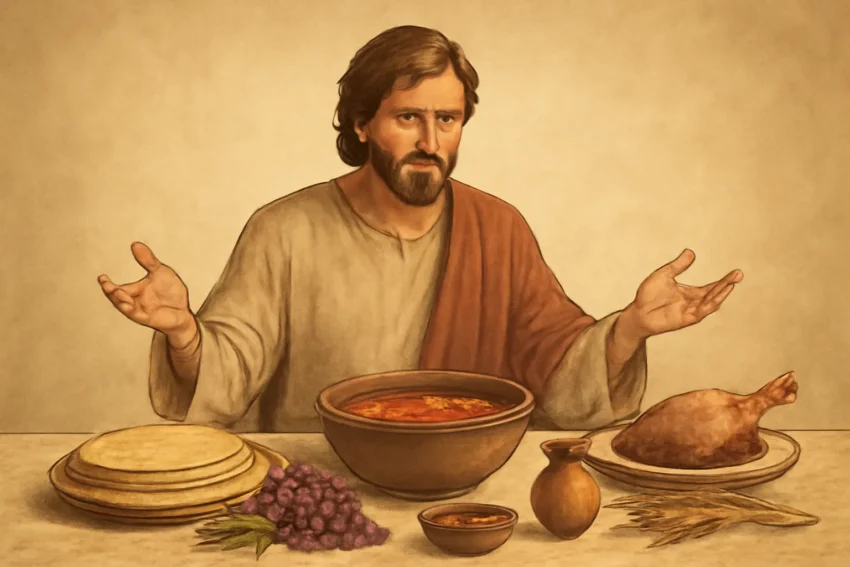
Key elements: the Seder (order of ritual), roasted lamb, unleavened bread (matzah), bitter herbs, and four cups of wine or grape juice representing God’s promises to deliver, redeem, sanctify, and sustain.
Symbolic meanings: deliverance from bondage, dependence on God’s mercy, and the beginning of a journey toward a holy community consecrated to God.
New Testament connections: Jesus is portrayed by the New Testament writers as the Lamb of God who takes away the sin of the world, so Passover gains a profound Christological interpretation (for example, 1 Corinthians 5:7; John 1:29; Matthew 26:26–29).
Contemporary observance for many Christian and Messianic communities includes a Seder that retells the Exodus narrative with biblical symbolism. It serves as a vivid reminder that redemption is always anchored in God’s faithfulness and promises.
Unleavened Bread (Chag HaMatzot): Purity, Presence, and Preparation
What this festival celebrates
The Feast of Unleavened Bread immediately follows Passover and lasts for seven days. Its central imagery is the removal of leaven, which in biblical symbolism often represents sin, corruption, and mischief. The people are instructed to eat unleavened bread and to abstain from leaven during the festival as a sign of haste and readiness to depart from Egypt.
Key elements: abstention from leaven, matzah as bread without yeast, and a continued focus on purity and obedience to God’s timing.
Symbolic meanings: holiness, sincerity, and the removal of hidden influences that hinder a faithful walk with God.
New Testament connections: Paul’s language about leaven as a metaphor for sin in 1 Corinthians 5–6 invites readers to reflect on the purity that Christ’s sacrifice makes possible and the ongoing purification believers seek through spiritual discipline (1 Corinthians 5:7–8).
In practical terms, modern observances often involve a gradual removal of leaven from homes, readings that emphasize repentance and renewal, and shared meals that reinforce communal identity. The connection to Passover’s deliverance remains a guiding thread for those who view this festival as a season of spiritual cleansing and renewed fidelity.
Firstfruits (Bikkurim): Resurrection Hope and the First Harvest
Firstfruits in the biblical calendar
The festival of Firstfruits signals the beginning of the agricultural year with the barley harvest in Israel. In Leviticus 23, it is described as bringing a wave offering of the first sheaf to God. It is a celebration of God’s provision and an anticipation of a fuller harvest.
Key elements: offering to God from the first harvest, gratitude for provision, and worship as a community.
Symbolic meanings: the idea that God’s work often begins with the firstfruits and that the fullness of blessing follows in its season.
New Testament connections: Paul links Firstfruits to the resurrection of Jesus, calling Christ “the firstfruits of those who have fallen asleep” (1 Corinthians 15:20). This frames the festival within the larger story of redemption and new creation.
The Christian interpretation often extends the motif of Firstfruits as an invitation to live with the expectation of God’s ongoing work in the world and in individual lives. The celebratory spirit of gratitude for the harvest parallels the broader spiritual harvest God desires—people drawn into a relationship with Him through Jesus.
Weeks (Shavuot): The Law, the Spirit, and the Harvest
Shavuot’s place in the cycle
Shavuot, known in Greek as Pentecost, occurs fifty days after Firstfruits. It marks the culmination of the grain harvest and, in Judaism, the giving of the Torah at Mount Sinai. The festival emphasizes covenant, instruction, and divine revelation as central to Israel’s identity.
Key elements: special readings, confirming the harvest, and often illuminated nights of study (Tikkun Leil Shavuot) in some communities.
Symbolic meanings: the awakening of the people to God’s law and, in Christian interpretation, the pouring out of the Holy Spirit as a transformative moment for the Church.
New Testament connections: the day of Pentecost is described as the Spirit’s outpouring in Acts 2, empowering the followers of Jesus to bear witness to the gospel (Acts 2:1–4, 17–21).
For many readers, Shavuot invites reflection on how God provides both instruction (the Torah) and empowerment (the Spirit) for living in faith. It is a festival that sits at the intersection of law and grace, revelation and renewal.
Trumpets (Yom Teruah): The Call to Wakefulness and the New Year
Traditions and meanings
Yom Teruah, commonly translated as the Day of Trumpets, inaugurates a period of introspection leading up to the Day of Atonement. It is associated with the shofar’s blasts, which awaken the conscience, summon worship, and mark the start of a solemn season.
Key elements: sound of the shofar, liturgical prayers, and themes of faithfulness, repentance, and renewal.
Symbolic meanings: the call to spiritual alertness, the establishment of God’s kingship, and the anticipation of a divine reckoning and redemption.
New Testament connections: while not directly linked to a single New Testament event, the imagery of awakening and readiness resonates with expectations surrounding Christ’s return and the culmination of God’s salvific plan.
In contemporary practice, communities often gather for worship services that emphasize prayer, confession, and the hope of God’s restoration. The sound of the shofar remains a powerful symbol of awakening to divine purposes.
Day of Atonement (Yom Kippur): A Season of Atonement, Fasting, and Reconciliation
The holiest day in the biblical year
Yom Kippur is the solemn day set apart to seek atonement for sins and to renew the community’s relationship with God. It features fasting, intensive prayer, and specific ceremonial acts that symbolize purification and reconciliation.
Key elements: fasting, confession (vidui), and the high priestly or communal appeals for forgiveness in ancient times; in modern practice, synagogues often hold all-day prayers and a services extending into the night.
Symbolic meanings: sin is acknowledged, guilt is carried before God, and restoration is sought through divine mercy.
New Testament connections: Christian interpreters often view Yom Kippur as foreshadowing the atonement accomplished through Jesus, whose sacrifice is perceived as final and sufficient for reconciliation with God (Hebrews 9–10). The idea of exalted worship and cleansing remains central to the faith community.
Observance in Jewish and Christian communities alike centers on humility, repentance, and disciplined worship. The theme of reconciliation speaks to the deep human longing for peace with God and with neighbors.
Tabernacles (Sukkot): Dwelling with God, Thanksgiving, and Pilgrimage
Celebrating shelter, harvest, and divine presence
Sukkot commemorates the Israelites’ 40 years of wandering in the wilderness and God’s presence with them through temporary shelters (sukkot). It is also a harvest festival, giving thanks for fruitfulness and provision.
Key elements: building and dwelling in sukkahs (temporary huts), waving the lulav and etrog (etrog, palm, myrtle, and willow) as part of unity and blessing, and festive meals with family and community.
Symbolic meanings: God’s continual provision, shelter, and faithfulness; the fragile, temporary nature of earthly life; and the hope of divine nearness with His people.
New Testament connections: while the festival is rooted in Israel’s pilgrimage and harvest, some Christian readers see in John 1:14 the concept of God “dwelling among us” (the Greek term translated as “dwelt” evokes the idea of a tabernacle among people) and a broader sense of God’s presence with humanity through Jesus and the Spirit.
Modern observance of Sukkot emphasizes hospitality, communal meals, and reflection on God’s protection. For many, it is a meaningful reminder that God travels with His people in life’s journey and that we are called to live with gratitude and generosity toward others.
Messianic Fulfillment and Theological Reflection
Across these seven feasts, a unifying thread emerges: God’s redemptive actions in the past anticipate and illuminate a future hope. The Christian interpretive tradition often reads these appointed times through the lens of Jesus’ life, death, resurrection, and the Spirit’s outpouring. This messianic angle—the conviction that Christ fulfills and transcends the symbols of the feasts—offers a way to relate ancient rhythms to contemporary worship and mission.
Passover as Christ’s sacrifice: the imagery of the lamb and blood culminates in the Gospel portrayal of Jesus as the Lamb who takes away the sins of the world.
Firstfruits and resurrection: Jesus as the “firstfruits” links the festival to the expectation of life beyond death and the new creation.
Shavuot and the Spirit: the giving of the Torah mirrors the Pentecost experience, where believers receive spiritual empowerment for witness and service.
Yom Kippur’s reconciliation: the atonement theme anticipates the reconciliation believers seek with God through Christ.
Sukkot and divine presence: the biblical motif of dwelling with God resonates with the New Testament emphasis on God dwelling among His people through Jesus and the Spirit.
While traditions differ in how precisely these fulfillments are understood, most readers agree that the Moedim call believers to worship, repentance, gratitude, and hopeful expectation. They invite us to see history as a coherent drama in which God acts decisively for the salvation of His people and the establishment of His kingdom.
Engaging with the seven feasts today can be a meaningful way to deepen faith, teach biblical literacy, and foster communal life. There is room for both traditional observance and contemporary interpretations that emphasize spiritual lessons without erasing historical meaning.
Educate and involve: host teaching sessions or family discussions about the historical context, biblical passages, and Christ-centered interpretations of each feast.
Observe with hospitality: share meals, stories, and prayers that reflect the themes of redemption, purity, harvest, and provision.
Engage liturgically: incorporate symbolic practices—such as Seder elements for Passover, removing leaven for Unleavened Bread, or the practice of dwelling in temporary structures during Sukkot—to connect with the rhythms of the biblical calendar.
Emphasize ethical living: let themes of forgiveness, justice, and mercy guide acts of service, generosity to the vulnerable, and commitment to peace within communities.
Balance tradition and freedom: recognize the historical meanings while allowing space for personal or community discernment about how to apply them in today’s cultural and theological contexts.
Resources for study: consider commentaries on Leviticus 23, biblical theology books on Christ’s fulfillment, and culturally informed guides to Jewish festival observance to broaden understanding.
For churches and families, a practical plan could involve a yearly rhythm: a Passover Seder and reflection on redemption; a week of Unleavened Bread with personal cleansing and repentance; Firstfruits devotionals centered on gratitude for God’s provision; a Season of Weeks with Scripture readings about the Spirit; a Day of Trumpets service focused on awakening and renewal; a Day of Atonement day of fasting and confession; and a Sukkot gathering that emphasizes hospitality and God’s presence. The goal is not merely to imitate ancient rituals, but to encounter God in a living, transformative way.
Frequently Asked Questions
Are these feasts still relevant for Christians today?
Yes, many Christians find the seven feasts deeply relevant as a way to understand God’s salvation history and the person of Jesus. While observance practices vary among traditions, the theological themes—deliverance, holiness, covenant, revelation, redemptive work, empowerment, and divine presence—remain meaningful and applicable.
Do Protestants celebrate these feasts?
Practices among Protestant communities differ widely. Some churches host teaching series, worship services, or special meals that reflect on the feasts. Others observe more explicitly through Israel-centered or Messianic practices. Regardless, the feasts can serve as a framework for biblical literacy and spiritual formation.
What is the relationship between the Old Testament feasts and the New Testament?
The relationship is one of continuity and fulfillment. The festivals record Israel’s memory of God’s saving acts and covenant, and the New Testament presents Christ as the fulfillment of those types and shadows. The feasts illuminate aspects of the gospel, such as sacrifice, resurrection, empowerment by the Spirit, and God’s ongoing presence with His people.
Conclusion: The Spiritual Value of the Seven Appointed Times
The seven feasts of God offer more than historical curiosity. They invite believers to participate in a liturgical memory that binds past deliverance to present gospel hope and future anticipation. By exploring Passover, Unleavened Bread, Firstfruits, Weeks, Trumpets, Atonement, and Tabernacles, readers encounter a holistic scriptural panorama—one that speaks of justice, mercy, faithfulness, and the divine presence in the midst of humanity’s story.
Whether approached as literary symbols, prophetic foreshadowing, or lived-out practices, these festivals encourage a life shaped by gratitude, repentance, worship, and generosity. As you engage with each feast, you may discover fresh dimensions of God’s character and purposes, and you may sense how the ancient calendar continues to speak into modern faith in meaningful and transformative ways.