Introduction to Christian Days, Holidays, and Observances
The calendar of the church—the Christian days that Christian communities observe—offers a rich tapestry of history, theology, and practice. This article provides a thorough guide to Christian holidays, feasts, and observances across traditions. Whether you are exploring your own faith tradition, studying the development of the church, or planning participation in liturgy, understanding the liturgical year and its seasonal cycles helps illuminate why certain days are marked with special prayer, fasting, feasting, or pilgrimage.
The term Christian days encompasses a broad spectrum—from the most universally celebrated events, like Christmas and Easter, to more local, cultural, or denominational commemorations such as patronal feasts, synods, or saints’ days. In many traditions, the church calendar functions as a living curriculum steeped in Scripture, tradition, and shared memory. The purpose of these days is not merely to mark time, but to guide believers into deeper worship, renewed moral formation, and hopeful anticipation of the coming of God’s kingdom.
Understanding the Liturgical Year and Its Seasons
Central to most Christian calendars is the liturgical year, an arranged sequence of seasons that reflects the life of Christ and the church’s interpretation of salvation history. Across denominations, the names and exact observances may vary, but the underlying arc is commonly recognizable: preparation, commemoration, celebration, and yearning.
Advent and the Expectation of Light
The Advent season marks the hopeful anticipation of the coming Messiah. It invites believers to prepare not only for the incarnation but also for Christ’s second coming. Advent emphasizes themes such as anticipation, watchfulness, and humility. In many churches, the weeks leading up to Christmas are characterized by the lighting of Advent candles, symbolic prayers, and devotional readings that point toward the incarnation.
The Nativity and the Christmas Season
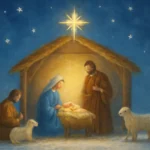
The celebration of the Nativity of Jesus—commonly called Christmas—is one of the most widely observed Christian holidays. Beyond December 25, the Christmas season extends into a period that includes the Sepulchre of Epiphany in some traditions and continues with various feast days that reveal different facets of the mystery of the Word becoming flesh. The Christmas cycle invites contemplation of the Holy Family, the shepherds, the magi, and the ways in which God’s self-revelation enters ordinary life.
Lent, Holy Week, and Easter
Following Advent, many Christians enter a time of repentance, discipline, and renewal during Lent. This season culminates in the solemn events of Holy Week—including Palm Sunday, Maundy Thursday, Good Friday, and the silent, jubilant celebration of Easter Sunday. The period of Eastertide or the Easter season continues for several weeks, culminating in the feast of Pentecost, which celebrates the outpouring of the Holy Spirit and the birth of the church.
Ordinary Time or Green Sundays
Between the major feasts, many churches observe Ordinary Time (sometimes called Green Sundays due to liturgical color). This period focuses on the life and ministry of Jesus in a way that emphasizes growth in faith, discipleship, and daily Christian living. It is a season for building up the Christian life through teaching, service, and ordinary acts of mercy.
Major Feasts, Festivals, and Holy Days
Across Christian traditions, certain days stand out for their universal significance, while others have more regional or denominational importance. The following list highlights core feasts and holy days that commonly appear on calendars, along with brief explanations of their theological focus.
Christmas (Nativity of Jesus): The church’s celebration of Christ’s birth, incarnation, and light entering the world.
Epiphany (Three Kings’ Day): The revelation of Christ to the Gentiles, celebrated in some traditions with a focus on the Magi and the manifestation of God to all peoples.
Epiphany of the Lord (different naming conventions reflect regional practice): A reminder of recognizing Christ in everyday life and in the world.
Palm Sunday: Commemorates Jesus’ triumphal entry into Jerusalem and begins Holy Week.
Maundy Thursday (Holy Thursday): The institution of the Eucharist and the washing of the disciples’ feet, highlighting service and humility.
Good Friday: The passion and crucifixion of Jesus, observed as a day of fasting, reflection, and mourning with a focus on atonement.
Easter Sunday: The central celebration of the resurrection, proclaiming victory over sin and the promise of new life.
Eastertide: The broader season encompassing the post-resurrection church’s experiences of the risen Christ.
Ascension Day (Ascension): Commemorates Jesus’ ascent to heaven, typically observed 40 days after Easter in many traditions.
Pentecost: The descent of the Holy Spirit upon the church, marking the birthday of the Christian church for many traditions.
Trinity Sunday: A doctrinal feast highlighting the doctrine of the Trinity, often observed the Sunday after Pentecost.
All Saints’ Day: A day to honor all saints, known and unknown, and to remember the faithful departed.
All Souls’ Day (in some traditions): A day of prayer for the faithful departed, reflecting on the hope of resurrection.
Feast of the Immaculate Conception (Catholic): Celebrates the belief in Mary’s sinless conception; observed on December 8 in the Roman Catholic calendar.
Your patronal feast (regional): Many communities have a feast day dedicated to the patron saint of the local church or city, tying local identity to the wider Christian story.
In addition to these, many saints’ days and memorials form part of the sanctoral calendar in categories that vary by tradition (Catholic, Orthodox, Anglican, Lutheran, and other Protestant churches). These days often emphasize particular examples of faith, charity, or martyrdom, and may include special liturgies, hymns, and readings that illuminate the saints’ witness in the life of the church.
Observances Across Traditions: A Comparative View
The way Christian days are observed can differ significantly from one tradition to another, yet there is a shared impulse toward worship, education, and communal life. The following overview highlights differences and common ground among major streams of the Christian family.
Catholic and Orthodox Calendars
In the Catholic and Orthodox churches, the calendar is deeply sacramental and heavily liturgical. The rhythm of feasts and fasts is tied to sacramental life, with seasons marked by distinct vestments, colors, and prayer patterns. Prominent examples include the Liturgical Colors (purple for penitence, white for joy, red for martyrdom or the Holy Spirit, green for growth, gold for solemnity), as well as multiple Marian feasts and apostolic commemorations that shape year-round devotion.
Protestant and Reformed Traditions
Many Protestant churches emphasize the scriptural basis of the feasts and the centrality of preaching, with varying degrees of emphasis on saints’ days and liturgical ritual. Some denominations observe fewer fixed feasts but mark the major events in the life of Christ with special services, sermons, and hymns, while others retain a strong sense of the church calendar and implement it in worship planning.
Anglican and Episcopal Practices
The Anglican and Episcopal churches often combine a deep respect for liturgical structure with flexibility for local customs. They commonly observe the Daily Office (a pattern of morning and evening prayer), seasonal feasts, and a broad array of saints’ days, while maintaining room for regional language, cultural music, and local devotion.
Seasonal Practices and Spiritual Disciplines
Beyond naming the days, Christian communities cultivate practices that align with the seasons. These practices deepen worship and spiritual formation, guiding individuals and families toward greater fidelity and compassion.
Fasting, Abstinence, and Penitence
During certain seasons, especially Lent, many Christians practice some form of fasting or abstinence as a sign of repentance and dependence on God. The discipline may involve giving up certain foods, reducing leisure activities, or engaging more intently in prayer and Scripture reading.
Prayer and Scripture Reading
Christian days invite intentional prayer and Scripture reflection. A common approach is to read passages assigned for the season, use devotional guides, or participate in corporate prayers that reflect the liturgical themes—such as hope in Advent or gratitude in Thanksgiving seasons.
Astral and Cultural Synthesis
In many places, local culture and seasonal agriculture shape how Christian days are observed. For example, harvest festivals or carol services may blend with canonical feasts to create a cultural liturgy that speaks to the community’s lived experience. These local expressions enrich the universal story.
Feasting and Hospitality
The feast days are often times for generous hospitality, shared meals, and acts of mercy. In many traditions, the feast table becomes a theological classroom where stories of faith are told, and the community is invited to participate in charity, almsgiving, or feeding programs.
Regional Variations and Global Perspectives
The way Christian days are kept varies around the world. Language, climate, local histories, and national culture shape calendar customs. Below are a few examples of how communities might express the same season in distinct ways.
Latin American and Caribbean: Advent processions, Posadas during Advent, Christmas novenas, and Epiphany parades often blend Indigenous and colonial traditions with Christian narratives.
Europe: In many countries, Christmas markets, carol services, and midnight Mass are central to Advent and Christmas; Holy Week processions can be dramatic and publicly compliant.
Africa: Communities may emphasize missionary history, social justice themes, and vibrant liturgical music as part of major feasts and local saints’ days.
Asia-Pacific: Local languages, interfaith dialogue, and cross-cultural missions inform how feasts and holy days are commemorated in urban and rural settings alike.
Across continents, the global church remains rooted in a shared narrative: God’s action in history, the person of Jesus Christ, the gift of the Holy Spirit, and the call to love neighbor. This shared narrative allows diverse communities to celebrate distinctive traditions while staying united in core beliefs.
A Practical Guide for Observing Christian Days
Whether you participate primarily in liturgical worship, casual devotional life, or family-centered observances, here is a practical framework for engaging with the church calendar.
Know the calendar: Familiarize yourself with the main seasons—Advent, Christmas, Lent, Easter, Pentecost—and the key feasts that punctuate the year. A simple printed or digital calendar can help you track dates and themes.
Attend worship during the major holy days: Christmas Day, Easter Sunday, and other fixed feasts often feature enhanced worship with special music, Scripture readings, and communal prayers.
Engage in liturgical practices: If your tradition uses liturgical colors, participate in the color-coded services and rituals (such as violet/purple for penitence or white for celebration) to align your inner disposition with outward signs.
Pray with the seasons: Use seasonal prayers and meditations to deepen your spiritual rhythm. Short daily prayer times can reflect Advent anticipation, Lent repentance, or Easter joy.
Serve and give: Many Christian days invite acts of mercy and charity. Consider volunteering, supporting a food bank, or giving to causes aligned with the feasts’ themes (charity, peace, reconciliation).
Educate children and newcomers: Teach the meaning of the days, the people behind them, and the prayers used during worship. Storytelling, crafts, and simple explanations help younger participants connect personally with the calendar.
Honor local customs: Respect and incorporate your community’s unique expressions—processions, musical traditions, or family rituals—while remaining faithful to the core message of the days.
For individuals who want to plan ahead, consider creating a yearly study or devotional guide, selecting one major theme per season and pairing it with a relevant Scripture reading plan, a corresponding prayer, and a family activity. The goal is to cultivate a rhythm that sustains faith beyond a single day.
Frequently Encountered Questions about Christian Days
Here are concise answers to common questions that people ask when exploring the Christian calendar.
What is the purpose of Advent?
Advent prepares believers for the coming of Christ, both his incarnation in the birth narrative and his expected second coming. It is a season of anticipation, repentance, and hopeful expectation.
Why do Christians observe Holy Week differently?
Holy Week commemorates the final week of Jesus’ life, culminating in the Easter celebration. Different traditions emphasize various events—Palm Sunday, Maundy Thursday, Good Friday, and Easter Sunday—according to their theological emphases and liturgical styles.
What is the difference between Christmas and Epiphany?
Christmas focuses on the birth of Jesus. Epiphany emphasizes God’s revelation to the nations and often centers on the visit of the Magi and Christ’s manifestation to the world.
How do liturgical colors work?
Liturgical colors symbolize different seasons and themes: purple for penitence, blue for expectation, white for purity and joy, red for martyrs and the Holy Spirit, green for growth, and gold for special feasts. Colors help worshippers enter the mood of the season.
Are all Christian denominations required to follow a calendar?
No. Some churches observe a formal calendar with extensive seasons and feasts, while others follow a simpler calendar or focus on weekly worship without fixed seasonal cycles. Even so, many share a common memory rooted in biblical events and saints’ days.
Conclusion: The Living Calendar of the Christian Faith
The collection of Christian days—from the grand feasts to the intimate observances—constitutes more than a schedule. It is a living calendar that invites individuals and communities into a shared story: a narrative of creation, fall, redemption, and the ongoing work of the Spirit in the world. By engaging with these holy days, believers participate in a tradition that asks questions about time, memory, justice, and hope.
Whether you are drawn to the grandeur of the nativity story, the solemnity of the paschal mystery, or the quiet discipline of Ordinary Time, the Christian days offer a structured space for worship, learning, and transformation. The calendar, in its diversity, teaches us that faith is not a static creed but a dynamic, communal journey toward love of God and neighbor. As you explore the various names and practices—Jesus Christ, the Church, the saints, and the Spirit—may you find guidance, inspiration, and a renewed sense of belonging to the broader body of Christ.
If you wish to plan a personal or family rhythm around these days, start with a handful of core seasons: Advent, Christmas, Lent, Easter, and Pentecost. Add a few regional or cultural observances that reflect your community. Build a simple routine of prayer, Scripture, and service that fits your life. In doing so, you will participate in a tradition that not only remembers the past but also forms you for the future—turning Christian days into a lived experience of faith, hope, and charity.