Baptism Class: Preparation, Expectations, and Registration Tips
A baptism class is more than a checklist or a ritual rehearsal. It is a guided introduction to
the meaning of baptism within a faith community, the commitments it represents, and the practical steps that
families and individuals take to participate fully and reverently. Across traditions, the exact content and pace of
a baptism preparation program can vary, but the core aims—clarifying beliefs, preparing hearts, and equipping
participants for a valid, meaningful baptism—remain consistently central. In this article, you’ll find a detailed,
realistic map for navigating baptism education programs, including what to expect, how to prepare,
and practical tips for registration.
Understanding the Purpose of a Baptism Class
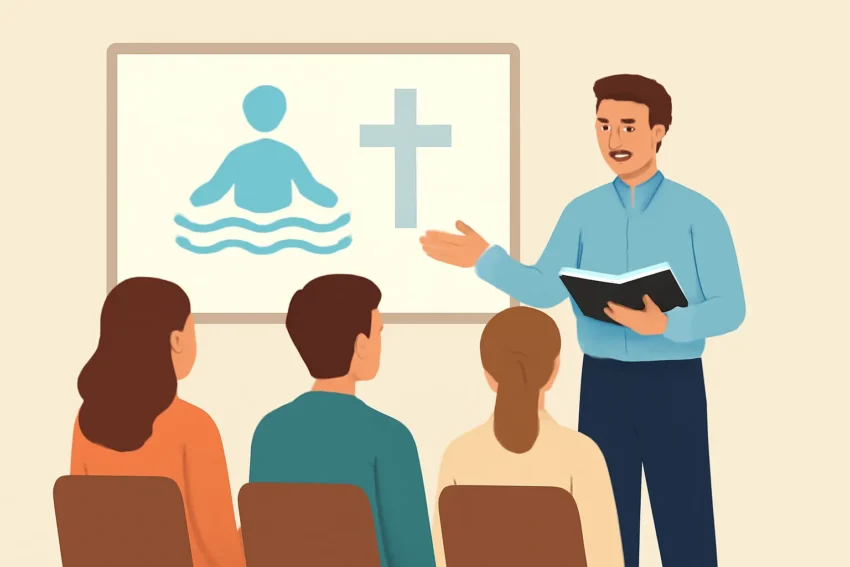
A formal baptism prep course or baptism education program serves several key
purposes. First, it provides a foundation of teaching about the symbolism of baptism—the outward act that
signifies an inward faith and a new relationship with the divine community. Second, it helps participants articulate
their own beliefs and questions, creating space for honest conversation and spiritual discernment. Third, it
connects learners with mentors, sponsors, and church traditions that will support them as they enter into the
sacrament.
Core objectives you’ll typically encounter in a baptism class
Clarifying beliefs about what baptism represents within your tradition
Understanding the meaning of vows or commitments associated with baptism, including faith, repentance, and discipleship
Learning the logistics of the baptism ceremony itself
Building community with mentors, sponsors, and fellow learners
Engaging in prayer and reflective practices as preparation for the moment of baptism
Different churches may emphasize different elements. In some parishes, the class is integrated with
catechetical instruction, while in others it stands apart as a focused session or a series of
workshops. Regardless of format, the guiding principle is to help you approach the baptism moment with
clarity, reverence, and readiness.
Preparing for the Baptism Education Program
Preparation for a baptism class is both spiritual and practical. You’ll want to approach the program with a
posture of openness and a willingness to engage, ask questions, and listen. Below are practical steps to help you
enter the class feeling prepared and confident.
Spiritual readiness
Spend time in personal prayer or reflection to articulate why baptism matters to you at this moment in
your faith journey.
Read or reflect on short devotional texts or scriptural passages frequently connected with baptism in your
tradition.
Consider journaling about your spiritual milestones, doubts, and hopes for what the sacrament will mean for you
or your family.
Practical readiness
Check the registration deadline and the course schedule before committing.
Identify any sponsors or mentors who will accompany you, and confirm their availability.
Gather required documentation if the church requires proof of baptism records from a previous
church or parental consent forms for minors.
Gathering documentation and information
Many baptism preparation programs require some minimum information to complete your file. You may be asked to
provide:
Full name and date of birth
Parental or guardian information for minors
Current church membership status or affiliation
Previous baptism details (if applicable), including the church name and date
Contact details for the participant and any sponsors
If you are new to a community, you might also participate in an orientation session that helps you
understand how the baptism class fits within the broader life of the church. Orientation sessions are especially
helpful if you are balancing work, school, or caregiving responsibilities.
In many traditions, baptism is a communal event that includes family and sponsors (sometimes called godparents).
Consider the following as you prepare:
Discuss expectations with any sponsors or mentors before the class begins
Confirm their ability to attend key sessions and the baptism date
Make space for younger participants (if applicable) to engage with age-appropriate learning activities
Expectations During the Baptism Class
Clear expectations help you participate with integrity and avoid misunderstandings about the process. A well-run
baptism preparation program will outline goals, schedules, and the roles of instructors, participants, and
sponsors. Here are some common expectations you’ll encounter in most baptism education experiences.
Curriculum overview and learning targets
Foundational beliefs and how they relate to the practice of baptism
Symbolism of water and its representation of cleansing, new life, and community belonging
Historical and theological context for baptism in your faith tradition
Practical steps of the baptism ceremony, including who administers the rite and what the candidate says
Participation and engagement
Your active participation is often encouraged, not merely tolerated. Expect opportunities for:
Small-group discussions that invite personal reflection
Question-and-answer sessions with pastors, pastors’ assistants, or catechists
Prayer and devotion times that help you articulate your faith journey
Practice runs or rehearsal moments for the baptism itself
Questions, clarifications, and respectful dialogue
A healthy baptism education program welcomes questions. If you have doubts, explore them in trust and with the goal of
growth. You may be asked to note questions ahead of time so instructors can prepare meaningful responses during the class.
Small-group dynamics
Many baptism classes incorporate small groups to foster more intimate conversation. When engaging in small-group
work, remember to:
Listen carefully to others’ experiences
Share your own perspective with honesty and respect
Respect confidentiality within the group
Registration Tips and Logistics
The registration phase is your last, best chance to ensure a smooth and meaningful path toward baptism. Below are
practical tips to help you navigate the sign-up process and maximize the value of your baptism preparation journey.
How to register for the baptism class
Visit the church’s official registration page or contact the church office for enrollment
Ask about any online options or in-person sessions to fit your schedule
Confirm the start date, meeting times, and expected duration of the course
Provide all required information, including contact details for sponsors or guardians if applicable
What to bring to the first session
Identification and any required documentation
Pen, notebook, or device for taking notes
Any forms or letters requested by the church in advance
A spirit of curiosity and a willingness to participate in discussion
Time commitment and scheduling considerations
The length of a baptism education program can vary from a single evening to several weeks. Consider the following when scheduling:
Weekly sessions versus a condensed weekend format
The possibility of evening sessions or weekend retreats for families
Potential crossover with other parish activities that may require planning
Cost, scholarships, and financial considerations
Some churches offer the baptism class at no cost, while others may request a nominal fee to cover materials or
facility usage. If cost is a concern, ask about scholarships, waivers, or optional donations that help
sustain the program. Prioritizing the spiritual value is important, but practical considerations should not be a barrier.
If you have accessibility needs, mobility constraints, or language requirements, contact the church in advance.
Many programs offer accommodations such as wheelchair-accessible rooms, ASL interpretation, translated materials,
or extra time for processing questions. Do not hesitate to request what you need to participate fully.
you’ll receive a confirmation email or letter with details
you may be invited to a short orientation call or meeting
you’ll be assigned a sponsor or mentor who will support you through the process
What Happens After the Baptism Education Journey
Completing a baptism class is not the end of your spiritual formation; it marks the beginning of a new phase in your
faith journey within the community. Here are some expectations for what follows the baptism prep process.
Preparation for the baptism date
Receive the final details about the baptism ceremony (date, time, attire, location)
Meet with your pastor or officiant to confirm the order of service and any personal statements to be shared
Participate in any rehearsal sessions that ensure the rite runs smoothly
Support and mentorship after baptism
Many churches emphasize continuing support after the rite. Expect ongoing access to:
Pastoral counseling or spiritual guidance
Participation in discipleship or small-group ministries
Opportunities for baptismal members to mentor newcomers and families
Continuing faith formation
The moment of baptism often leads into a broader program of new member classes, ongoing
catechesis, or participation in a regular rhythm of worship, learning, and service. You may be invited to join
ongoing classes on prayer, Scripture study, service opportunities, or church governance. Embracing this next phase
can deepen your understanding and engagement with the faith community.
Variations of Baptism Preparation Formats
Not every congregation uses the same structure for the baptism class. Some churches offer a singlesession,
while others provide a multi-week program that unfolds together with catechetical teaching. Here are common
formats you might encounter, described with alternatives and practical considerations.
One-session baptism orientation
In a one-session model, all essential topics are covered in a single baptism preparation class or baptism prep seminar. It is ideal for those with busy schedules or those who want a concise
overview before the baptism date.
Multi-week course or series
A longer program allows deeper exploration of beliefs, ritual foundations, and community expectations. It may
include reading assignments, reflection prompts, and small-group dialogues. This format is often preferred by families
seeking to integrate learning with spiritual formation over a period of weeks.
Hybrid: online and in-person elements
Many communities now offer hybrid options, giving learners flexibility. You might attend a few in-person sessions
and complete online modules, with virtual Q&A sessions or live-streamed ceremonies. Hybrid formats can help
accommodate geographically distant families or working adults.
Specialty tracks within baptism education
Some programs include tracks tailored to particular circumstances, such as:
Family track for parents and children preparing for baptism together
Adult conversion track for adults seeking baptism after a period of faith exploration
Sponsor-focused track to align sponsors with the responsibilities of guiding a candidate
Pastoral and community considerations
Regardless of format, a thoughtful baptism class should maintain a few constants: accessibility, clarity of purpose,
respectful dialogue, and a clear path toward the sacrament date. If you’re unsure about the format, ask for an
brief overview of the curriculum, the time commitment, and the way learning is assessed (if at all).
Common Questions and Quick References
If you’re preparing for a baptism class, you’ll likely have questions about logistics, theology, and what is
expected of you. Here are answers to some of the most frequently asked questions that come up in many church
contexts.
In some traditions, baptism is a prerequisite for full membership or for participating in certain rites of the
church. In others, baptism is a separate sacrament that welcomes you into the faith family, after which
membership and related responsibilities follow. Check your denomination’s practice and speak with church leadership
to understand how baptism relates to membership in that specific community.
What if I’m not sure about my beliefs?
A baptism class is designed to explore questions and clarify beliefs, not to coerce agreement. If you are
uncertain, use the opportunity to articulate your questions, listen to explanations, and consider how the ritual may
express your faith journey. You are not obligated to reach a perfect doctrinal formula during the course; you are
invited to grow toward a meaningful confession.
Can children participate in baptism preparation?
Yes, many churches have programs that include children and teens, often alongside their families. Age-appropriate
activities and discussion prompts ensure that younger participants can engage with the content in a way that
respects their developmental stage.
How long does the entire process take?
The baptism class itself may range from a single evening to several weeks, depending on the format and the pace of
the curriculum. Scheduling the ceremony after the program typically leaves a window for rehearsal and preparation.
What if I’ve been baptized before, but want to reaffirm or join another faith family?
In cases of reaffirmation or transfer of membership, churches often offer a condensed or specialized track
that addresses your previous baptism and the next steps within the new community. Inquire about a reaffirmation or transfer-focused session if this applies to you.
Key Takeaways for a Successful Baptism Class Experience
Whether you call it a baptism prep class, baptism education program, or baptism preparation course, a successful experience hinges on preparation, participation, and
partnership. Here are concise guidelines to help you get the most from the journey.
Prepare ahead by reviewing materials, asking questions, and identifying sponsors.
Engage fully in discussions, practice questions, and prayer moments offered by the program.
Ask for help if you encounter obstacles—logistical, emotional, or theological—and seek
clarification promptly.
Respect the process by honoring the pace, ritual protocols, and the shared space of the class.
Plan for the baptism date with logistics, attire, transportation, and family support in place.
By honoring the preparation process and embracing the opportunity for spiritual growth, you will approach the baptism
moment with reverence, understanding, and a sense of belonging to a larger faith community.
While every church’s process is unique, the following outline provides a practical, generic pathway to help you plan
your steps from interest to baptism with minimal friction.
Express interest by contacting the church office or filling out an inquiry form.
Receive information about the available baptism classes, formats (in-person, online, hybrid),
and eligibility requirements.
Submit required documentation and confirm sponsor availability if applicable.
Attend the orientation or first session to establish expectations and meet instructors.
Complete the curriculum through the agreed schedule, with opportunities for reflection and questions.
Prepare for the baptism day with rehearsals, final arrangements, and last-minute consults with
the officiant.
If you are unsure where to start, reach out to the church’s welcome team or education
ministry. They can guide you to the right baptism class option and ensure you don’t miss any key steps.