Christian Conversion: A Comprehensive Guide to Embracing Faith
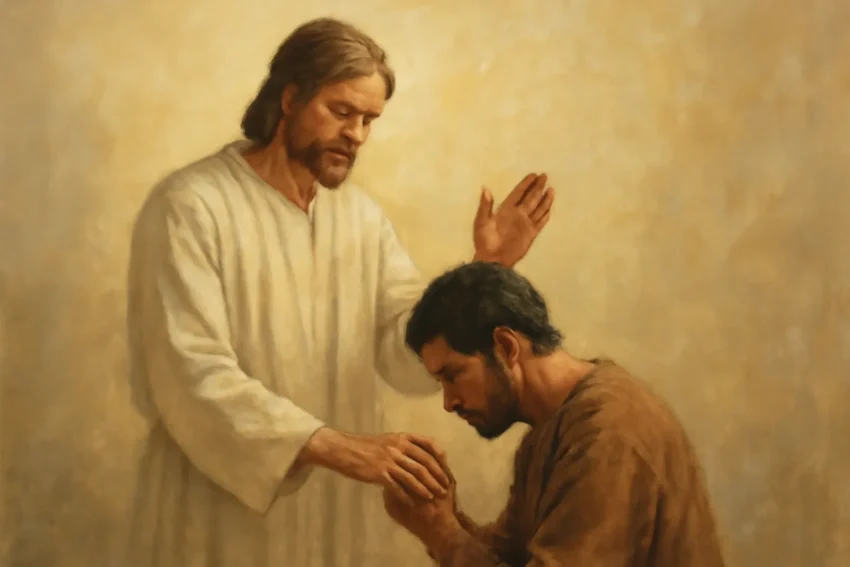
Conversion in the Christian sense is a transformative process that begins with an encounter with the gospel and leads to a new way of living. It is not merely a momentary decision but the start of a lifelong journey of faith, growth, and participation in the people of God. In this guide, you will find a thorough exploration of what it means to become a Christian, how people across traditions understand the path of conversion, and practical guidance for those who are exploring or supporting someone on this journey.
At its core, conversion involves turning toward God through Jesus Christ and committing to follow Him. Different Christian traditions describe this turn with a variety of terms, but they share common elements: a response to God’s initiative, faith in Jesus as Lord, repentance from sin, and incorporation into the body of Christ. You may hear phrases such as conversion to Christianity, becoming a Christian, embracing the Christian faith, accepting Jesus as Savior, or trusting in Christ. All of these express a movement from spiritual distance to relationship with God through Jesus Christ.
Historical and Theological Background
Conversion has been described and experienced in many ways throughout church history. In the New Testament, the moment of conversion often involves a combination of proclamation of the Gospel, the work of the Holy Spirit, and personal response. The book of Acts records numerous conversions—of people from diverse backgrounds—demonstrating that God calls people from every nation, tribe, and language to trust in Christ. Across the centuries, Christians have understood conversion in four broad strands:
Grace-centered awakening: God’s initiative initiates a change in the heart, often through the work of the Holy Spirit.
Faith and repentance: A turning toward Christ accompanied by trust in Him and a turning away from sin.
Confession and baptism: Public acknowledgment of faith and incorporation into the church, sometimes through the sacrament of baptism or a related rite.
Discipleship: Ongoing formation in the life of Christ, Scripture, prayer, and community.
Because Christianity is diverse in practice and tradition, the way these elements are expressed can vary. Some traditions emphasize a decisive moment of conversion, while others highlight a long-term process of spiritual formation that begins with a decision and continues through lifetime growth. Regardless of the emphasis, the central claim remains that trust in Christ and reorientation of life toward God are essential to genuine Christian conversion.
Key Elements of Christian Conversion
Grace and Faith
Two foundational concepts recur across Christian teaching: grace and faith. Grace is the unmerited gift of God’s love and mercy that makes salvation possible. It is not earned by works or personal achievement but received by faith. Faith is the response of trust—placing one’s life in the hands of Jesus Christ and relying on His sacrifice for forgiveness. In many traditions, the famous verse John 3:16 is cited as a succinct summary of this dynamic: God’s love, the sending of His Son, and the invitation to faith and eternal life.
Repentance and Confession
Repentance means a sincere turning away from sin and turning toward God. It involves a change of mind that leads to a change of direction in life. Confession of faith often accompanies repentance, either privately, publicly, or both, depending on tradition. This confession signals that the believer has identified with Christ and with His people.
Many Christians understand baptism as a visible sign of a spiritual reality: death to the old self and new life in Christ. In some denominations, baptism is linked to salvation in a direct way; in others, it is a sacrament that welcomes the new believer into the church community. Across all approaches, baptism symbolizes identification with Christ’s death and resurrection and marks the new identity of the follower. Being part of a local church family is regarded as essential for ongoing growth, accountability, and service.
The Role of the Holy Spirit
The Holy Spirit is understood in Christian teaching as the one who convicts of sin, reveals truth about Christ, and empowers believers for holy living. The Spirit’s work is often described as awakening, guiding, and transforming hearts so that the believer increasingly reflects Christ in character and actions. In many traditions, the Spirit’s presence is experienced as assurance, comfort, and strength for daily living and mission alike.
Different Pathways Across Traditions
Christian conversion is celebrated and explained in diverse ways across traditions. Here are some representative emphases that shape how conversion is understood and expressed in different communities:
Roman Catholic and Orthodox perspectives: Conversion frequently involves a process of initiation that includes Baptism, Confirmation (or Chrismation in the Orthodox tradition), and participation in the Eucharist. Sacramental life is seen as the ongoing means by which grace is received and nurtured. The journey includes catechesis, repentance, and lifelong conversion that continues throughout one’s life.
Protestant and evangelical perspectives: Emphasis often lies on a decisive moment of personal faith in Jesus Christ, referred to as a personal “acceptance” or “decision.” This is frequently accompanied by baptism and public testimony of faith, followed by a life of discipleship marked by Scripture reading, prayer, and Christian service.
Anglican and Methodist perspectives: A balance between the personal decision to follow Christ and participation in the historic means of grace, such as baptism and ongoing spiritual formation, is typical. This approach values both inward faith and outward practice within communal worship.
Charismatic and Pentecostal perspectives: The emphasis often centers on a personal encounter with the Holy Spirit, evidenced by spiritual gifts, bold proclamation of the gospel, and a vibrant, experiential faith within corporate worship.
Despite these differences, all streams affirm that faith in Christ and life transformation are the core outcomes of true conversion. The language may differ, but the aim is the same: to know God through Jesus and to live in harmony with God’s will as revealed in Scripture and tradition.
The Process: How Conversion Happens
Conversion is both a divine and human act. God initiates, reveals, and invites; a person responds with trust and obedience. Here is a practical outline that captures the typical flow many believers recognize:
Encounter with the Gospel: Hearing or reading the message about Jesus, His life, death, and resurrection, and the offer of forgiveness and new life.
Response with faith: Trusting in Christ as Savior and Lord, and recognizing one’s need for grace.
Repentance and turning away from sin: A deliberate reorientation of desires and priorities toward God’s ways.
Confession of faith: Public or private declaration that Jesus is Lord and Savior, often expressed through prayer or a formal profession.
Baptism or equivalent initiation: Public initiation into the church community, symbolizing dying to the old self and rising to new life in Christ.
Incorporation into a community: Joining a local church or faith community for worship, teaching, fellowship, and accountability.
Discipleship and lifelong growth: Regular engagement with Scripture, prayer, moral formation, and mission. This includes spiritual disciplines and participation in ministry and service.
In many contexts, the journey continues through seasons of spiritual renewal, periods of doubt, and moments of recommitment. The ongoing pattern is not a repetition of the initial decision but a deepening of relationship with God and greater alignment with Christ’s example in daily life.
People exploring Christian conversion often have thoughtful questions. Here are some frequently asked inquiries and concise responses that reflect a broad Christian perspective while acknowledging differences among traditions:
Is conversion a one-time event or a lifelong process? Most traditions affirm both: there is a decisive moment of response to the Gospel, followed by ongoing growth in grace, character, and obedience.
What about children and adolescents? Many churches welcome child baptism or dedication, while others emphasize a personal decision at an age of understanding. In all cases, families are encouraged to nurture faith through catechesis, prayer, and participation in the life of the church.
What if someone doubts after making a decision for Christ? Doubt can be a natural part of faith. The Christian perspective often invites seeking truth, engaging with Scripture, prayer, and supportive community to address questions without losing hope or trust in God.
Does conversion guarantee a perfect life? No. Conversion marks a new orientation toward God, but believers still struggle with sin. The Christian path involves repentance, forgiveness, and continual growth, supported by grace and community.
How important are rituals like baptism or confession? Rites serve as meaningful, public signs of inward reality. They help believers remember commitments, receive grace, and identify with the church’s mission.
Practical Guidance for Those Exploring Faith
Whether you are considering Christianity for the first time or supporting someone else on the journey, here are practical steps and attitudes that can help make the exploration thoughtful, respectful, and fruitful:
Read the Gospel text: Start with the Gospels (Matthew, Mark, Luke, John) to understand who Jesus is, what He did, and what He taught. Read with questions about life, meaning, and purpose.
Study the Bible with guidance: Use study aids, a reading plan, or a reliable devotional. Seek communities or mentors who can explain difficult passages.
Attend a church or faith community: Observing worship, preaching, and community life helps you discern whether this path aligns with your experience of God.
Ask honest questions: Engage with pastors, theologians, and lay believers. A sincere inquiry often leads to deeper understanding and trust.
Pray and reflect: Prayer is not only asking for things but also listening for God’s guidance and grace. Reflection helps integrate learning with life choices.
Consider ethical and social implications: Conversion involves a new way of living—relationships, work, and responsibilities in light of Christian ethics and virtue.
Explore baptism and entry into the community: If you and your faith community discern it is appropriate, explore the steps toward baptism or reception into the church.
Be patient with yourself: Growth takes time. It is normal to experience doubts, questions, and seasons of learning.
Stories, Testimonies, and Case Studies
Throughout history, countless individuals have described their journey of conversion to Christ in personal terms. While each story is unique, several common threads emerge. People often report a moment of realization about God’s love in Christ, followed by a sense of peace, forgiveness, or a new sense of purpose. Others describe a gradual awakening—a slow, steady drawing toward Jesus through friendships, reading, and life experiences. In some stories, conversion is marked by a dramatic transformation that alters vocation, relationships, and priorities. In others, it unfolds quietly as daily choices align with gospel values. Regardless of the tempo, the core motif is a turning toward Jesus and a commitment to live under His lordship.
Below are anonymized vignette-type summaries that illustrate the diversity of conversion experiences without implying that one path is normative for all believers:
A person raised in a non-Christian home encounters the gospel through a friend’s witness and begins to explore the claims of Jesus. Over time, they place trust in Christ and are welcomed into a local church, where they grow through Bible study and service.
Someone who grew up in a Christian family experiences doubt during a period of intellectual questioning and eventually finds confidence in the Gospel through thoughtful engagement with Scripture and Christian apologetics. They choose to reaffirm their faith and commit to a life of discipleship.
A seeker attends a church service after hearing about Jesus through community outreach. After months of listening to sermons, praying, and reading Scripture, they make a public confession of faith and receive baptism as a sign of new life.
An adult who has practiced various spiritual traditions encounters Jesus in a moment of personal crisis, experiences forgiveness, and commits to following Him, joining a church, and participating in missionary service.
Frequently Used Bible Verses and Theological Anchors
Scripture provides the vocabulary and framework many Christians use to describe and understand conversion. While there are many passages that speak to the topic, the following verses are particularly influential across traditions:
John 3:16 — The Father’s love, the sending of the Son, and the offer of eternal life through faith.
Romans 10:9-10 — Confession of Jesus as Lord and belief in the heart for salvation.
Ephesians 2:8-9 — Salvation by grace through faith, not by works.
Romans 5:8 — God’s love demonstrated in Christ’s death for sinners.
Acts 2:38 — Repent and be baptized for the forgiveness of sins and reception of the Holy Spirit.
Acts 16:31 — Believe in the Lord Jesus, and you will be saved.
Matthew 28:19-20 — The Great Commission: go and make disciples, baptizing and teaching them to observe all that Jesus commanded.
— Salvation by the mercy of God, not by righteous deeds, but by the washing of regeneration and renewal by the Holy Spirit.
Challenges and How to Respond with Grace
Conversion is a profoundly personal process that intersects with family, culture, education, and personal history. People may experience spiritual warfare, social tension, or confusion in the wake of turning toward Christ. Healthy responses include:
Finding mentors and a supportive faith community that can walk with you through questions and growth.
Practicing humility when presenting beliefs and engaging with others who disagree, recognizing that faith often involves mystery alongside evidence.
Guarding personal health by maintaining balance in life, rest, relationships, and service.
Engaging with doubt productively by seeking honest answers, studying Scripture, and praying for discernment.
Growth Beyond Conversion: Living as a Disciple
For many believers, the moment of conversion is the doorway into a broader way of life—the life of a disciple who follows Jesus. This entails:
Prayer and worship: Regular conversation with God and participation in communal praise and thanksgiving.
Scripture intake: Reading the Bible with the aim of understanding God’s will and letting His Word shape daily choices.
Ethical conduct: A transformation in motives and actions, including honesty, integrity, compassion, and justice.
Community involvement: Serving others, building supportive relationships, and bearing one another’s burdens within the church and beyond.
Mission and service: Sharing the good news and using gifts to bless the world, rooted in love for God and neighbor.
Conclusion: A Call to Reflection and Action
Christian conversion, in its many expressions, is a response to God’s invitation to know Him through Jesus Christ. It is not only about personal salvation but about joining a broader story in which individuals, families, and communities are renewed by grace and called to participate in God’s mission in the world. Whether you describe it as a decisive moment of faith, a gradual awakening to the truth of Christ, or a lifelong journey of discipleship, the outcome is the same: a reconciled relationship with God and a transformed life aligned with the values of the Kingdom of God.
If you are considering the path of conversion to Christianity, may you find companions on the journey, clarity in the truth, and grace for the road ahead. If you are supporting someone else, may you offer listening ears, patient instruction, and steadfast encouragement as they seek to know Christ more deeply. And may this exploration lead you to a confident and joyful commitment to follow Jesus, wherever your steps may lead you.