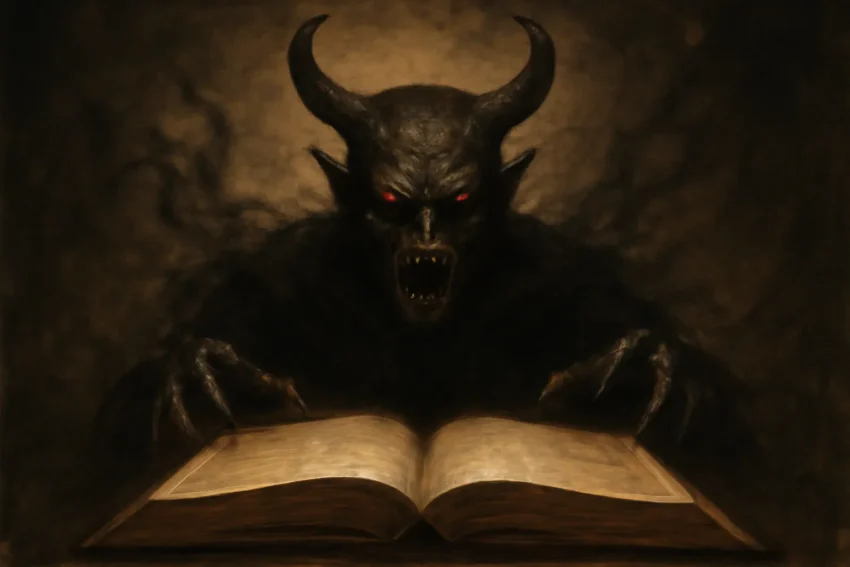
The phrase Demonic Spirits Bible is often used to describe a broad family of texts that explore demons, demonology, and the practices people use to understand, acknowledge, or protect against malevolent presences. Rather than a single canonical work, this category includes demonology books, grimoires, exorcism manuals, and cultural compendiums that span ancient myths to modern spiritual warfare narratives. The purpose of such a body of literature is not merely sensational storytelling; it reflects centuries of attempts to classify supernatural beings, interpret their influences, and craft rituals or routines that supporters believe promote safety, harmony, and moral alignment. In this article, we will survey the concept of the demons bible in its many forms, highlight how it has evolved, and offer guidance on responsible study and protective practices that respect both historical context and contemporary ethical standards.
Historical roots: where celestial commentaries and grimoires meet
To understand the idea of a Demonic Spirits Bible, one must trace the long arc of demonology across civilizations. In ancient Mesopotamia and Egypt, texts described malevolent forces and protective incantations that today would be viewed as proto-grimoire elements. In the Hebrew and Christian traditions, demonology matured into catalogues of fallen angels, demonic hierarchies, and warding rites, often recorded in marginal notes, apocryphal writings, and early church fathers’ glosses. The medieval period produced a surge of grimoires—bound volumes that claimed to instruct readers in the names, powers, and methods to conjure, banish, or control spirits. Works such as the Key of Solomon or the Summa demoniorum became touchstones for later collectors of demonic lore.
With the Renaissance and into the early modern era, the demonic spirits compendium tradition expanded beyond strictly theological concerns. It intersected with science, philosophy, and religion, yielding texts that attempted to systematize names by demon categories, describe alleged husbands and wives of malevolent entities, and lay out protective measures in the form of prayers, talismans, and ritual formulas. The modern era has continued this lineage in updated exorcism manuals and contemporary syntheses that seek to bridge ancient anxieties with current spiritual practices. Across cultures, the motif remains consistent: identify what is considered dangerous, understand how it operates within belief systems, and establish practices intended to maintain personal and communal safety.
What the Demonic Spirits Bible covers: scope, scope, and more scope
Many readers encounter the Demonic Spirits Bible as a colloquial umbrella term for texts that address demons, spiritual warfare, and protective practices. In various iterations, you may encounter:
The Bible of Demonic Spirits or demonology bibles that list commonly referenced entities, their domains, and suggested rituals to avert harm.
Exorcism manuals that discuss discernment, pastoral care, and when to seek professional oversight from clergy, mental health professionals, or advisory councils.
Demonic spirits compendiums that compare legends from different cultures, offering cross-cultural insight into how communities interpret malevolent presences.
Grimoires and demonology texts that present ritual language, sigils, or symbolic frameworks believed to empower practitioners in protection or banishment.
Contemporary guides on spiritual warfare and personal boundaries that translate older lore into modern ethical practices and everyday life.
Across these formats, there are several recurring features you will encounter:
Names and hierarchies: entities are often categorized by rank, function, or origin, with the belief that knowing a name confers certain power or control—though modern readers should approach this carefully and ethically.
Domains and powers: demons are described as governing particular aspects of life—temptation, disease, weather, travel, enchantment, and more.
Protective rites and boundaries: ritual language, prayers, blessings, and physical or symbolic barriers designed to create safe space and deter unwanted intrusions.
Cultural and ethical framing: many texts emphasize responsibility, humility, and compassion, warning against hubris, coercive power, or harming others.
It is important to note that these materials vary widely in tone, origin, and intention. Some aim to educate, others to provide comfort, and still others to instruct on discipline and discernment. The phrase “Demonic Spirits Bible” thus serves as a label for a broad landscape rather than a single authoritative canon. The breadth of this category offers opportunities for comparative study while inviting critical thinking about the historical contexts that produced these texts.
Understanding demons: categories, origins, and how they are interpreted
The study of demons in these works often relies on a combination of religious texts, folklore, and lived experience. Readers should approach such material with curiosity balanced by caution and respectful critical inquiry. We can summarize some prevailing themes that recur across the demonic traditions found in the bible-like demonology compilations:
Origins and nature
Most traditions offer one or more of these explanatory strands about demonic beings:
Divine rebellion: beings who fell from grace or membership in a heavenly order after choosing power over alignment with divine will.
Elemental or environmental spirits: entities associated with natural forces, sometimes perceived more as personifications than as malevolent individuals.
Intermediaries: beings that act as go-betweens among humans, spirits, and higher powers, sometimes wielding seductive influence or misdirection.
Transcultural variants: across cultures, similar archetypes appear under different names, reflecting shared human concerns about danger, temptation, and moral testing.
Domains and functions
In many entries within a demonology handbook, you’ll find demon profiles that pair a name with a domain such as temptation, illness, or misfortune. Some common patterns include:
Personal temptation and moral trial—tempting individuals toward selfish action or harm.
Influence on communities—corruption, discord, or factional conflict within groups.
Protection and boundary setting—rites or rituals aimed at preserving space from intrusion (homes, workplaces, sacred sites).
Integration with healing—the recognition that struggle with malevolent forces can be linked to inner healing, discipline, and ethical living.
Readers should be mindful that the portrayal of demonic entities varies by tradition, and modern readers may interpret these depictions metaphorically—understanding that inner conflict, fear, or social stress can manifest as “external” danger in narrative form. This interpretive approach is common in academic and spiritual discussions of the exorcism manual tradition and related compendia.
Protective practices: principles for responsible engagement
When approaching the subject matter of the Demonic Spirits Bible, the emphasis is often on safety, discernment, and ethical action. The protective practices described in many of these texts are historical or symbolic rather than prescriptions for reckless risk-taking. Here are core principles that emerge across reputable sources in this domain:
Respect for autonomy: do not manipulate or coerce others through spiritual practice; consent and personal authority matter.
Non-harm principle: avoid actions that deliberately injure or destabilize others, communities, or ecosystems.
Professional boundaries: seek guidance from qualified leaders, counselors, or clinicians when experiences resemble mental health concerns or crisis situations.
Practical protective measures
Space cleansing and blessing: many traditions advocate a neutral, non-coercive cleansing of spaces—prayers, positive intention, and lights or candles used symbolically to invite calm and safety.
Boundary-setting rituals: establishing clear personal and communal boundaries through routines, routines, and shared agreements can create a sense of safety and accountability.
Purification practices: practices such as cleansing, confession, or reflection are often described as interior processes that support moral alignment and self-awareness.
Protective symbols and routines: across cultures, people use talismans, blessings, or ritual phrases designed to foster a sense of safety and protect against fear-driven distress.
It is essential to emphasize that responsible engagement with narratives about demonic entities involves avoiding sensationalism, staying within one’s ethical and legal boundaries, and prioritizing the well-being and dignity of all involved. When in doubt, consult a trusted spiritual guide or professional with experience in crisis response or pastoral care. This approach aligns with both traditional exorcism literature and modern pastoral counseling found in the broader family of spiritual warfare guides.
Reading and study approach: how to engage with sources
Studying the demonology texts or the demons bible family requires a thoughtful, critical method. Here are recommended practices for readers who want to deepen their understanding without falling into superstition or fear-based interpretation:
Contextual analysis: consider the historical, cultural, and religious milieu in which a text was produced. What fears or social concerns did it address?
Comparative approach: compare descriptions of demons across traditions to identify common motifs and divergent understandings.
Scholarly sources: rely on academic commentaries, interfaith perspectives, and critical editions to gain a nuanced view that avoids sensationalism.
Discernment and reflection: reflect on how narratives about demons can illuminate human experiences of temptation, fear, and resilience—without treating them as literal blueprints for reality.
When engaging with the broader family of exorcism manuals, it is prudent to distinguish between historical curiosity and practical application. The value of the study lies not in magical empowerment but in the illumination of how communities conceptualize danger, moral testing, and protective care. This balanced approach helps prevent misinterpretations and reduces the risk of harm that some sensationalist depictions might provoke.
Demonic imagery in modern culture: understanding the line between myth and reality
In contemporary media, the concept of a Bible of Demonic Spirits or a demonic lore compendium often appears as a thrilling backdrop for fiction. Producers may borrow names, symbols, and rituals to craft atmosphere or tension. For readers and viewers, the distinction between fiction and real-world practice is crucial. Treat fictional renditions as storytelling—designed to entertain, illustrate character development, or explore ethical questions—rather than as field manuals for action.
Critical engagement includes recognizing how sensationalized portrayals can influence public perception of religion, superstition, and mental health. A thoughtful reader will:
Notice how fear is used as a narrative instrument and how it may obscure more nuanced explanations for real-world problems.
Appreciate how different traditions frame risk, protection, and ethical living without endorsing coercion or harm.
Distinguish between symbolic language and practical instruction, avoiding the misapplication of ritual ideas in dangerous ways.
Practical resources and guidance for curious readers
For those who want to explore more about the subject in a responsible way, consider consulting a mix of historical texts, scholarly analyses, and culturally sensitive modern guides. The following categories can help structure your study without overstepping ethical boundaries:
Historical texts and translations: primary sources from the medieval and early modern periods, paired with modern translations and annotations to aid comprehension and context.
Scholarly commentaries: works by historians of religion, anthropologists, and theologians that examine how demonology functions within societies and why such beliefs persist.
Interfaith perspectives: studies that explore how different faiths conceptualize spirits, guardians, and protective rites, highlighting shared human concerns about safety and morality.
Pastoral care and mental health resources: guides that emphasize care, consent, and support for people experiencing distress that may be described using supernatural language.
Considerations for scholars, readers, and practitioners
Whether you approach the subject as a scholar, a seeker of spiritual protection, or simply a reader interested in cultural narratives, it is crucial to maintain a posture of humility and responsibility. The following principles can help keep engagement ethical and constructive:
Respect for diverse beliefs: recognize that beliefs about demons and protective practices vary widely and respect those differences in dialogue and study.
Non-coercive practice: any personal or communal practice should avoid pressuring others or infringing on their rights or well-being.
Safety and well-being: prioritize safety, mental health, and supportive resources when experiences feel overwhelming or destabilizing.
Ethical sourcing: prefer materials that cite scholarly work, provide context, and discourage deception or sensationalism.
To aid navigation, here is a compact glossary of common terms you may encounter in discussions of the demonic literature and its biblical-inspired traditions:
Demonology: the systematic study of beliefs about demons, their nature, and their interactions with humans.
Grimoire: a traditional magical text that often includes names, sigils, and instructions related to spirits.
Exorcism manual: a guide focusing on discernment, pastoral care, and when to involve professional authorities to address severe distress.
Compendium: a comprehensive collection or anthology that gathers different traditions, names, and legends about demonic entities.
Conclusion: approaching the Demonic Spirits Bible family with care and curiosity
In sum, the concept of a Demonic Spirits Bible represents a broad and diverse family of texts that catalog, interpret, and respond to beliefs about demonic beings. From ancient mythic lore to modern ethical guides on spiritual protection, these works illuminate how human beings across time and cultures confront fear, temptation, and the unknown. A careful reader will approach these materials with scholarly rigor, cultural sensitivity, and a commitment to safety and well-being. By distinguishing between mythic symbolism and practical instruction, engaging with sources responsibly, and seeking support when needed, one can gain insight into the human experience of danger and protection without falling into sensationalism or harm.
Whether you call it the Demonology Bible, the Bible of Demonic Spirits, a demonic compendium, or a modern exorcism manual, this lineage invites reflection on universal questions: What constitutes danger? How do communities respond to moral testing? What practices nurture resilience, compassion, and collective safety? By exploring these questions through careful study of the demonic tradition, readers can cultivate knowledge, discernment, and ethical action that honors the dignity of all beings and communities involved.