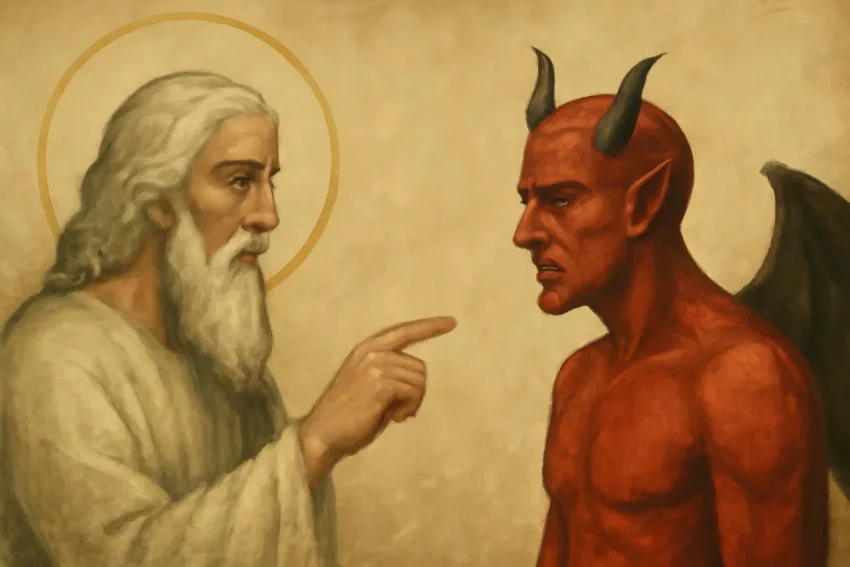
Did God create Satan? This question sits at the intersection of theology, philosophy, and sacred text. It probes not only the origin of a singular figure often called the devil but also the broader problem of evil in a world believed to be created by a good and all-powerful God. The question can be framed in several ways: Did God create Satan as a being with moral agency? If so, how do we understand the fall of Satan and the persistence of evil in creation? Is evil a privation or a force that God somehow permits for a larger good? These questions have generated a long and diverse history of thought within Judaism, Christianity, and Islam, and they continue to be debated by theologians, philosophers, pastors, and lay readers alike. The aim here is not to settle the matter with a single dogmatic answer but to explore the different lines of reasoning, the key terms, and the implications for belief, worship, and human life.
To approach the question of whether God created Satan, it helps first to note how the figure of Satan or the devil appears in sacred texts and how interpreters have read those texts.
Hebrew Bible and Second Temple Context
In the Hebrew Bible, the figure most closely associated with opposition to God is not always a single, unified character but a role that emerges in different narratives. The term ha-satan (the adversary) appears in various books, and the figure sometimes functions as accuser, tester, or tempter within a divine council scene. This raises the question: is the adversary in Scripture a unique, eternally rebellious being, or a functionally described opponent who can be used by God for purposes of testing or purification?
New Testament Development
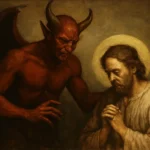
In Christian interpretation, the figure most Christians call Satan or the Devil is frequently presented as a principal rebel who once belonged to heaven’s order and who led a revolt or moral rebellion. Passages in the Gospels, the Epistles, and Revelation broaden the portrait to include the tempter of humanity, the accuser of the brethren, and the source of temptation and deception. Many readers therefore ask: if Satan fell from a high heavenly position, did he fall because God created him with the capacity to fall, or did deception and rebellion emerge from creatures who already possessed moral agency?
Islamic Perspective as a Comparative Frame
In Islam, the figure often equated with Satan is Iblis (often translated as Shaytan). In this tradition, Iblis is not an angel but a jinn, created by God alongside humans and angels. When God commanded the angels to bow to Adam, Iblis refused, citing pride. Here the narrative emphasizes disobedience and the exercise of will by a created being who chose rebellion. Although the details differ, the underlying question remains: Was disobedience an act within creation that God allowed, or did it occur because a created being misused the freedom granted by the Creator? This comparison helps illuminate how different religious communities conceive of creation, freedom, and evil.
Summarizing the Scriptural Terrain
Creation and agency: Many traditions hold that beings with moral agency were created with freedom to choose, including angels and humans.
Rebellion and consequence: A figure who becomes an adversary or a tempter is often described as having chosen rebellion.
Evil as outcome: Some theological frameworks understand moral evil as the consequence of free agents misusing their gifts, rather than a created thing called evil.
At the heart of the question “Did God create Satan?” is the broader issue of how evil relates to creation. The key frame revolves around whether evil is a thing that God made or a condition that arises when free beings turn away from God’s good order. The most common distinctions theologians make involve the nature of evil, the role of free will, and the integrity of creation itself.
The Nature of Evil: Privation, Morality, or Metaphysical Opposition
There are several classical ways to think about evil, each with implications for whether God created Satan in an ontological sense:
Privation theory: Evil is not a positive substance but a lack or distortion of good. Under this view, God did not create “evil”; evil arises when a good thing is corrupted or misused by beings with freedom. This framework is often associated with Augustine and later medieval thought.
Moral agency and rebellion: Evil exists as a moral act performed by free agents who can choose contrary to the divine will. In this view, Satan’s evil acts are the result of deliberate choices by a created being who was given certain powers and responsibilities.
Metaphysical opposition: Some approaches speak of a structured order in creation where certain beings oppose or resist God, yet those beings remain within the scope of God’s sovereignty and permissive will. This raises questions about ultimate purposes God might have in permitting such opposition.
Free Will, Providence, and theodicy
The way a tradition handles God’s sovereignty and human or angelic freedom strongly shapes its answer to the question. The main branches include:
Freedom as a good prerequisite: Creatures with rational nature can choose rightly or wrongly; God’s goodness permits genuine freedom, which includes the possibility of evil acts.
Providence and limitation: God’s governance of creation includes limits on what free beings can do without negating their freedom.
Theodicy as explanation: Theodicy attempts to justify God in the face of evil by appealing to divine purposes that transcend human or angelic understanding—from character formation to the eventual triumph of good.
Angels, Free Will, and the Fall
Angelic beings occupy a unique place in many theological schemas. They are often described as rational, powerful, and capable of choosing obedience or rebellion. The narratives about angels who fall or rebel are used to address the central question: Did God create Satan as an angel who then chose to defy the divine order?
Angelic Nature and Intellect
Angels are traditionally thought to possess intellect and will, though without physical bodies. If an angel has a will, then the possibility of choosing a path contrary to God’s desire exists. The rebellion stories, whether framed as a fall or a departure from obedience, hinge on this capacity for choice. The theological implication is that freedom is not inherently evil; rather, it is a gift that can be misused.
The Fall of Satan: A Narrative Motive or a Theological Necessity?
In many Christian readers, Satan’s fall is connected to the larger drama of creation’s moral order. Some interpretations emphasize
That rebellion demonstrates the seriousness of free will and its consequences.
That evil has a definable origin within creation, rather than being an external force entirely independent of God’s plan.
That the fall provides a framework for understanding temptation, sin, and the ongoing spiritual struggle in the world.
It is important to note that not all traditions interpret the fall in the same way. Some read the texts as teaching that evil emerges from the misuse of freedom by a created order of beings, while others emphasize divine permission or sovereignty as the ultimate frame for understanding how rebellion unfolds within God’s good purposes.
Does God Create Evil? Theodicy and Perspectives
The question “Did God create Satan?” often leads readers into the more general question: Does God create evil? The answer is not uniform across traditions, but several well-developed lines of thought recur in pastoral and academic settings.
Privation Theory Revisited
In the privation approach, evil does not have an independent existence. If God created all things good, and if the peak of that goodness is the moral and rational creature’s flourishing, then evil is a missing good or a corrupted good. This frame aims to preserve God’s goodness and sovereignty while acknowledging that free beings can distort what is good. The presence of Satan as a fallen being serves as a case study for how a good creation can experience corruption through rebellion.
Theodicies that Emphasize Growth and Glory
Some theodicies argue that evil exists as a necessary component of a world where love, virtue, courage, and faith mature. In such accounts, trials and temptations provide the soil in which virtue grows. In this view, the existence of a rebellious figure like Satan is not accidental but serves a larger teleological purpose in God’s benevolent plan. Critics, however, push back by asking how much of this purpose can justify the suffering of innocents and whether it legitimateizes harm.
Augustine, Irenaeus, and the Shape of the Debate
Two influential strands in Christian thought bear on the issue. The Augustinian line emphasizes evil as privation and the need for redemption through grace. The Irenaean line emphasizes soul-making and the idea that creatures, by facing trials, are formed into fuller likenesses of the good. Both lines insist that moral agency connected to creation allows for the possibility of evil, and both maintain that God’s ultimate purposes align with ultimate goodness, even if human beings and other intelligent beings cannot fully comprehend the plan in the present moment.
Comparative Reflections: The Devil as a Theological Problem
Comparative reflection across faith traditions can illuminate the core issues. Consider how different frameworks approach the same central questions:
In Christian traditions, the devil or Satan is often seen as a once-innocent being who fell due to pride or rebellion, and whose actions are allowed within God’s sovereign plan to test and refine believers. The emphasis is frequently on redemption, victory over evil through Christ, and the eschatological defeat of Satan.
In Jewish thought, the figure of Satan functions as a tester or accuser within the divine council rather than a rebellious power opposed to God’s essential nature. Evil arises in a human or cosmic sense through choices that depart from God’s will, and ultimate triumph of good remains a hope in divine justice.
In Islamic thought, Iblis’s story is a reminder of the limits and responsibilities of free will, with a strong emphasis on obedience to God’s commands and the continual testing of believers. Evil is generally not described as an independent force but as a consequence of disobedience that God permits for the sake of moral growth and accountability.
These cross-tradition patterns illustrate that the question of creation, rebellion, and evil is not a single historical claim but a family of related claims about how a good God relates to free creatures and the moral order of the cosmos.
Beyond systematizing ancient texts, the question has practical consequences for faith, worship, pastoral care, and everyday life. Several themes recur in contemporary discussions:
Pastoral reality of evil: Believers face suffering, temptation, and moral failure in real life. The framework chosen for understanding Satan and evil affects how one forgives, resists temptation, and seeks justice or healing.
Hope and eschatology: If evil has a place in the present, what is the future hope? The trajectory toward the ultimate defeat of evil influences worship, evangelism, and the meaning assigned to present trials.
Anthropology and psychology: The question touches on how people understand autonomy, responsibility, and the nature of evil within themselves and others. A robust anthropology helps people resist cynicism while acknowledging the real pull of temptation.
Ecclesial mission: Belief about the origin and nature of evil can shape how communities engage in mission, justice, and healing ministries, including exorcism, deliverance, and support for victims of harm.
Practical Questions People Ask
How should believers respond to the presence of evil in the world if God created creation good?
What does it mean to resist temptation in a way that preserves faith and hope?
Can the existence of a fallen angel be reconciled with a belief in a benevolent, omnipotent Creator?
In addressing these questions, many communities turn to a combination of scriptural reading, tradition, and reason. They also emphasize spiritual formation, moral education, and communal discernment as ways to live faithfully in light of the mystery surrounding evil, creation, and divine sovereignty.
Conclusion: Toward a Thoughtful View of Creation and Evil
The question of whether God created Satan invites a careful and nuanced exploration rather than a simplistic yes-or-no verdict. Across traditions, the core insight remains: God’s creation is good, and the existence of evil is most plausibly explained within the framework of free will, the fall, and the larger narrative of redemption. Satan, in its various forms, serves as a testing ground for moral agency and a figure through which readers encounter themes of temptation, perseverance, and ultimate justice.
For readers seeking a balanced perspective, a few guiding considerations can help:
Differentiate between origin and occurrence: Where a tradition speaks of the origin of Satan, it is often tied to questions about the origin of rebellion; where it speaks of occurrences of evil, it concerns how beings act within creation’s order.
Recognize the role of free will: Freedom without coercion is central to most theological accounts; evil arises where freedom is misused, not primarily as a thing God creates.
Hold together mercy and justice: A robust faith tradition seeks to affirm God’s justice and mercy in the face of evil while maintaining trust in divine providence beyond human comprehension.
Ultimately, the inquiry into did God create Satan invites readers to engage with the mystery of creation with humility and hope. The inquiry is not merely academic; it shapes how people worship, how they understand suffering and temptation, and how they live out love in a world that is both created good and yet deeply complex. By exploring the various lines of thought—privations, moral agency, fall narratives, and theodicies—readers gain a more capacious and compassionate understanding of evil’s problem and the redemptive arc that many faiths nonetheless affirm.