Introduction: Why Psalm 23 Still Speaks in Modern Life
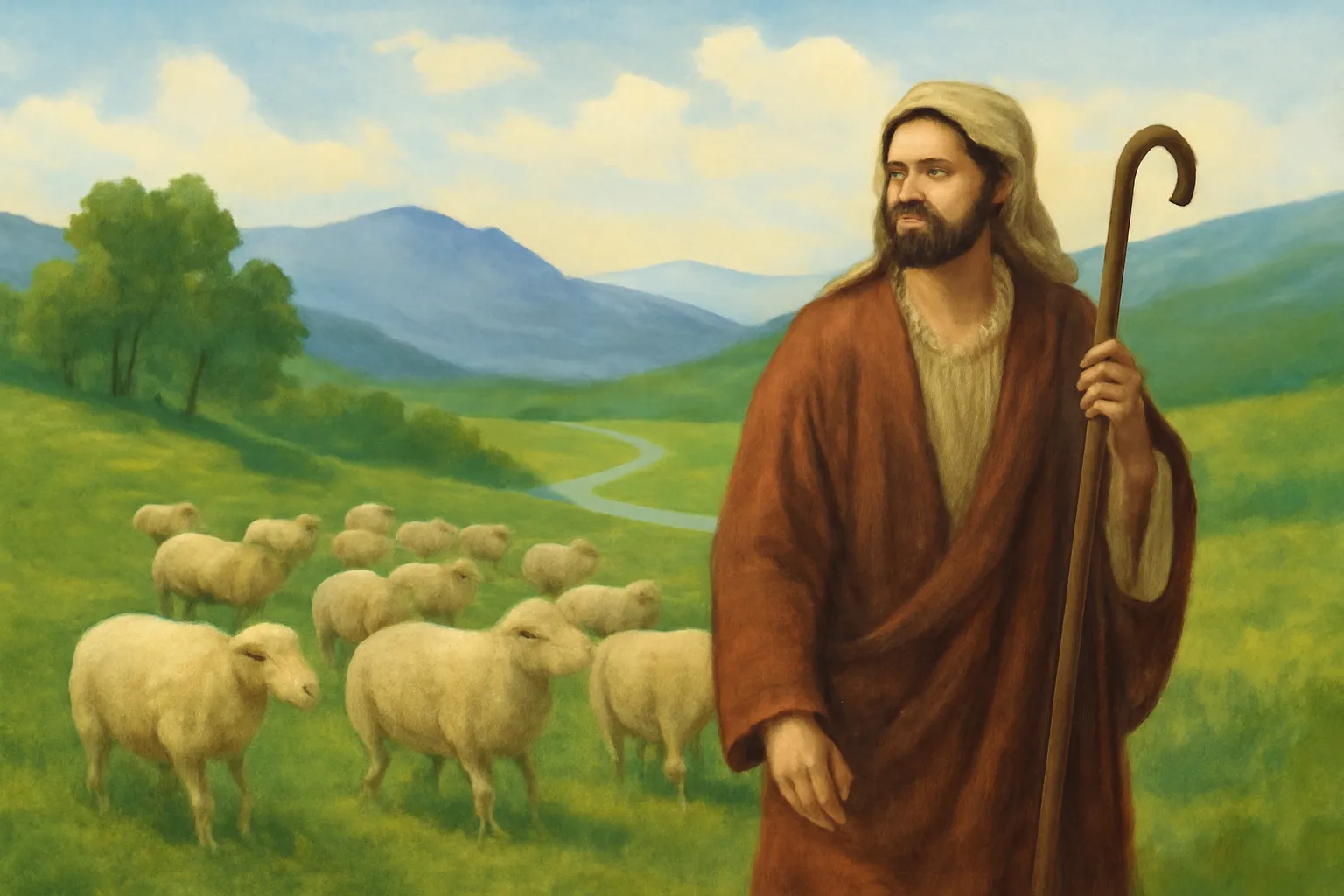
The 23rd Psalm meaning has lived for centuries as a beacon of comfort and guidance in moments of fear, grief, celebration, and decision-making. Its opening line, “The Lord is my shepherd”, immediately frames a relationship of trust, care, and intimate fidelity. Readers across faith traditions and secular contexts alike respond to its language because it speaks in images that feel universal: a shepherd who knows the sheep, a field where nourishment is abundant, a quiet stream where the soul can rest, and a path that leads to a future secure in divine presence.
This article offers a careful exploration of the meaning of Psalm 23, tracing its historical context, literary structure, and the diverse ways people interpret and apply its themes today. We will consider how the shepherd motif functions, how the Psalm moves from comfort to courage, and how its imagery has shaped prayers, sermons, and meditations across cultures. While the focus is biblical, the insights extend to any reader seeking steadfast reassurance and a sense of direction amid life’s questions.
Authorship, Genre, and Context
While debates about authorship occasionally surface in academic discussions, the traditional attribution identifies the Psalm as a prayer of trust composed by David, the shepherd-turned-king, who experienced both rescue and risk. In its ancient setting, Psalm 23 belongs to the collection known as the Psalms of Trust—poems that affirm confidence in God’s care even when circumstances are challenging.
The Psalm is short and highly economical in its imagery, but it carries a full arc: provision and peace, protection in danger, a personal sense of restoration, and a foreshadowing of life beyond the present. The language reflects Hebrew poetic technique—notably parallelism, vivid metaphor, and a rhythm of movement from blessing to security. Though rooted in a worldview where God acts as a shepherd to guide and protect, readers from many backgrounds find in Psalm 23 a template for trust in divine benevolence, leadership, and generosity.
The Structural Map of Psalm 23
Psalm 23 is compact, yet its architecture is carefully arranged to convey layered meanings. A practical way to approach it is to notice its six-line progression, often read as six verses in many translations. The path runs from nourishment to protection to guidance toward a future home.
Provision and rest in green pastures and quiet waters.
Restoration and guidance of the soul along righteous paths.
Presence in danger—the valley of the shadow of death—and a sense of protective companionship.
Divine discipline and comfort through the rod and staff.
Abundant blessing marked by an overflowing cup and generous hospitality.
Enduring fellowship and a lasting sense of belonging in the house of the Lord.
Each element has symbolic weight, and readers often highlight particular terms to anchor personal reflection. The repetition of care through shepherd imagery and the movement toward eternal dwelling invites readers to see life as an ongoing journey under divine guardianship.
Key Images and Their Meanings
The Psalm relies on a constellation of images that have deep resonance in religious and cultural memory. Below are the most prominent motifs, followed by brief explanations of what they signify in Psalm 23 meaning.
The Lord as shepherd: A shepherd tends, guides, and protects a flock with intimate knowledge. This image conveys care, leadership, and personal attention.
Green pastures and still waters: Symbols of nourishment, peace, and deliberate rest. They suggest that life’s needs are met in a trustworthy order.
Restoration of the soul: A restoration that renews inner life, courage, and purpose after weariness or loss.
Righteous paths: Guidance toward ethical living, with a focus on right relationship with God and neighbor.
Valley of the shadow of death: A phrase that evokes real danger and fear, yet in the Psalm it becomes a space where God’s protective presence remains palpable.
Rod and staff: Tools of guidance and correction, illustrating disciplined care rather than harsh treatment.
Goodness and mercy (or steadfast love) and dwelling in the house of the Lord: A trajectory from present blessing to an enduring relationship with God beyond this life.
The metaphor of God as a shepherd is widely recognized for its intimate portrait of leadership. In ancient agrarian life, a shepherd’s duties encompassed feeding, guarding, guiding, and transporting the sheep to safety. Psalm 23’s portrayal of the shepherd’s careful attention and steadfast presence reassures readers that their lives are within a competent, benevolent relationship. The reader is invited to lean into the confidence that being led by a shepherd means being known deeply and protected reliably.
Pastures, Waters, and Restoration
The pair of images—green pastures and still waters—conveys more than physical comfort. It signals a holistic sense of well-being: physical nourishment, emotional serenity, and spiritual refreshment. The phrase “he makes me lie down” in some translations implies a deep invitation to pause, rest, and recover. The Psalm’s intention is not merely to soothe but to reposition the hearer toward a healthier rhythm of life—one where rest and nourishment become ongoing practices rather than brief interruptions.
Relational Core: Comfort and Guidance as a Single Thread
A central feature of Psalm 23 meaning is that comfort and guidance are not opposing forces but parts of a single divine disposition. The Psalm moves from the intimate experience of being cared for to the courageous trust required in dangerous moments, and finally to the confident expectation that God’s presence continues into the future.
Comfort in times of grief, loss, and fear, evidenced by calm imagery and the assurance of companionship.
Guidance in daily decisions and life direction, framed as righteous paths that align with a moral life and a benevolent plan.
Security in the face of danger, where even the unknown “valley” becomes a place where God’s rod and staff offer protection.
Hope for the future in the “house of the Lord”—a phrase that can signify a temple, a divine dwelling, or the ultimate divine presence beyond life’s borders, depending on tradition.
Variations in Interpretation Across Traditions
Psalm 23 has inspired a remarkable diversity of interpretation across Jewish and Christian traditions, as well as among secular readers and scholars. Each tradition highlights facets of the Psalm that resonate with its own faith life and liturgical needs.
Judaism often reads Psalm 23 as aTrust Psalm that celebrates God’s protection in daily life and in times of danger. It is a source of consolation in illness and a reminder of God’s constant care.
Christian read-through frequently emphasizes Jesus as the fulfillment of shepherd-king imagery and as the one who leads believers along “paths of righteousness” for the sake of justice and mercy in the world.
Liturgy and prayer use the Psalm in both funerals and personal devotion, reflecting its dual role as an anchor in grief and a template for faithful living.
Contemporary interpretations may emphasize the Psalm’s relevance for mental health, resilience, and social ethics—seeing the shepherd’s care as a model for compassionate leadership and community support.
Literary Techniques and Language
The Psalm’s effectiveness rests on its masterful use of language and structure. Its imagery is concrete and tactile, making abstract trust feel tangible. Its parallelism and rhythmic cadence help the message land in memory and heart.
Structured cadence: The Psalm moves from provision to protection, from guidance to hope, in a way that mirrors human experience.
Imagery layering: Pasture imagery builds a scene of abundance; the valley imagery introduces risk; the banquet imagery envisions leadership’s benevolence in daily life.
Second-person direct address keeps the Psalm intimate and personal, inviting the reader to enter the relationship described.
Symbolic universality: While rooted in ancient Israelite life, the metaphors translate across cultures, enabling broad resonance.
Practical Applications: Living the Psalm in Everyday Life
The meaning of Psalm 23 is not only theoretical; it has practical outworkings for contemporary life. People often turn to this Psalm for guidance in moments of uncertainty, illness, job transitions, or grief. The verse’s imagery offers a mental map for how to approach life’s uncertainties with a steady confidence in divine care.
In times of stress: Focus on the shepherd’s presence to cultivate calm, much like pausing at “still waters” to reset.
In decision-making: Let the “paths of righteousness” guide ethical choices grounded in compassion and justice.
In grief: Embrace the comfort that comes from being accompanied through dark valleys, not by pretending danger does not exist.
In hospitality and community life: The imagery of an overflowing cup can inspire generosity and a welcoming posture toward others.
In illness or vulnerability: The restoration language invites patience for renewal and resilience through trusted care.
Psalm 23 in Worship, Prayer, and Meditation
Across centuries, Psalm 23 has functioned as a powerful element of worship rituals, personal prayers, and meditative readings. Its brevity makes it adaptable to multiple contexts:
During funerals: It offers a language of trust that remains meaningful when facing loss and the mystery of death.
In daily devotionals: Short, repeatable phrases support regular, contemplative practice.
In congregational worship: It anchors communal singing, responsive readings, and pastoral blessings, linking individual experience with shared faith.
In counseling or pastoral care: The Psalm’s language provides a framework for comforting others and naming God’s presence in pain.
If you’d like to engage with Psalm 23 beyond reading, consider these approaches:
Take a verse at a time: Read a single verse aloud each day and notice what image or emotion emerges for you.
Journaling: Write down how the shepherd imagery speaks to your current life situation, then record prayers or gratitude statements that arise.
Creative contemplation: Create a small personal icon or sketch of green pastures, still waters, or a shepherd’s staff to embody the themes in a physical way.
Community sharing: In a group setting, share how the Psalm’s images shape your understanding of care, leadership, and hope.
As with many ancient texts, Psalm 23 can be misunderstood if read in isolation or without consideration of its genre and context. Here are some common misreadings and what to know about them.
“No danger ever comes near”—The Psalm does not promise a risk-free life; rather, it asserts that God’s presence accompanies us through danger and fear.
“Prosperity doctrine”—While the Psalm speaks of abundance (green pastures, overflowing cup), its deeper meaning centers on provision and trust, not merely wealth or comfort.
“No mourning”—The text acknowledges valleys of shadow and grief, but reframes suffering within a larger arc of divine companionship and future hope.
“Replacement of human effort”—The Psalm does not negate human responsibility; it invites faithful action within a relationship to God who sustains and guides.
Literalism vs. metaphor—Many readers benefit from recognizing that the strongest power of Psalm 23 lies in its imagery, not in a literal map of every life circumstance.
Historical-Cultural Notes: Life in Ancient Israel and Beyond
Understanding the psalm’s background can deepen Psalm 23 meaning for modern readers. In ancient Israel, sheep needed daily care, grazing zones, and protection from predators. A shepherd’s voice and staff signified safety and durable leadership. The social and sacramental world in which Psalm 23 circulated valued hospitality, generosity, and communal care—values echoed in the image of thecup overflowing and the shepherd who leads to a table of abundance.
Over time, the Psalm was absorbed into liturgical calendars, funerary customs, and devotional practices, broadening its reach beyond a single historical moment. In many communities, it has become a canonical touchstone for enduring trust, a language that translates across language barriers, and a symbol of divine companionship in both triumph and trial.
Intersections with Theology: What Psalm 23 Teaches About God and Humans
The Psalm offers compact but powerful theological insights that many traditions reflect upon:
The character of God: God is intimate, active, and loyal—like a shepherd who knows each sheep by name and looks to the flock with patient care.
Human response: Trust, gratitude, and ethical living emerge as natural responses to divine care and presence.
Hope beyond present life: The journey toward the “house of the Lord” is a future-oriented hope that shapes present ethics and courage.
Divine discipline: The rod and staff symbolize correction and guidance, illustrating that care sometimes includes boundaries that protect and redirect.
Variations in Language Across Translations
Translators face choices about how to render ancient terms into modern speech. These choices affect the tone and emphasis of the Psalm:
“The Lord” vs. “God” or “Yahweh”, each shade carrying theological nuance.
“Pastures” vs. “meadows”, with implications for agricultural imagery.
“Cup overflows” or “my cup overflows” to express abundance and generosity.
“House of the Lord” as temple imagery or as a broader sense of divine presence, depending on interpretive lens.
Contemporary Readings: Psalm 23 in a Plural Society
In today’s plural and global society, Psalm 23 meaning can take on additional layers of significance:
Psychological resilience: The Psalm’s imagery can function as a mental framework for coping with anxiety and uncertainty, providing a vocabulary for comfort and perseverance.
Social ethics: The idea of righteous paths invites communities to pursue justice, mercy, and care for the vulnerable as expressions of faithful leadership.
Interfaith resonance: The shepherd motif has parallels in other spiritual traditions, offering a shared metaphor of care, guidance, and protection that can foster dialogue and mutual understanding.
Environmental stewardship: The imagery of green pastures and still waters can inspire care for creation as a form of stewardship under divine guidance.
Conclusion: The Living Voice of Psalm 23
Psalm 23 meaning endures because it binds a timeless truth to intimate language. It proclaims that a benevolent guide accompanies every step, sustains the soul in weariness, and leads toward a table of blessing that echoes into eternity. The Psalm does not erase fear or pain; rather, it reframes them within a relationship in which God’s presence, care, and trust become anchors. Whether you encounter it as a source of personal consolation, a guide for ethical living, a liturgical refrain, or a source for public devotion, the Psalm offers a practical theology of companionship: you are known, you are cared for, and you are offered a path forward.
As you engage with the text, allow the images to speak in their own time. Let the shepherd’s care become a metaphor for how you relate to others, the decisions you make in everyday life, and the way you hold sorrow and hope together. In this sense, the 21st-century reader can inhabit the ancient assurance that wherever the journey leads, it remains under the watchful, benevolent guidance of a steadfast caretaker who desires good for all creation.