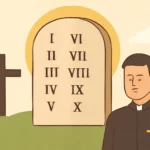
Honouring your parents is a foundational theme across the biblical narrative, woven into both Old Testament wisdom and New Testament guidance. This article gathers biblical verses about honouring parents, explores their meanings in different contexts, and offers practical reflections for individuals, families, and communities seeking to live out respect, gratitude, and care as a tangible expression of faith.
Foundations in the Old Covenant: The Command to Honour Parents
The Bible opens with explicit instructions about reverencing parents, linking honour to peace, wisdom, and divine blessing. In biblical Hebrew thought, honoring one’s father and mother is not merely a cultural courtesy; it is a divinely ordained duty that mirrors the order of creation and God’s own sovereignty.
Exodus 20:12 — «Honor thy father and thy mother: that thy days may be long upon the land which the LORD thy God giveth thee.»
This is the formal commandment that anchors the reverence due to parents within the Decalogue. The promise attached—long life on the land—frames honour as both a moral obligation and a practical blessing.
Deuteronomy 5:16 — «Honour thy father and thy mother, as the LORD thy God hath commanded thee; that thy days may be prolonged, and that it may go well with thee in the land which the LORD thy God giveth thee.»
Reiterating the command, this text emphasizes continuity with the covenantal pattern and connects honour with the ongoing welfare of the individual and the community.
Leviticus 19:3 — «Ye shall fear every man his mother and his father, and keep my Sabbaths: I am the LORD your God.»
A statement in the Levite code that blends reverence for parents with fidelity to God’s commands, showing that respect for parents is part of a holistic obedience.
Proverbs 1:8 — «My son, hear the instruction of thy father, and forsake not the law of thy mother.»
Wisdom literature roots honour in learning, guidance, and the discipline that leads to wise living.
Proverbs 4:1 — «Hear, ye children, the instruction of a father, and attend to know understanding.»
A direct call to attentive listening to parental guidance, with honour expressed through receptiveness.
Across these passages, the emphasis is not merely on outward obedience but on a heart posture of reverence that strengthens families and reinforces social stability. The word choices – “honour,” “fear,” “respect” – reflect a spectrum of attitudes that together form a holistic approach to relating to one’s parents.
Proverbs and Wisdom: Practical Guidance on Honouring Parents
The book of Proverbs expands the notion of honour into everyday wisdom. Honouring a parent is shown to be closely linked with listening, obedience, and the cultivation of a wise and teachable heart.
Proverbs 6:20 — «My son, keep thy father’s commandment, and forsake not the law of thy mother.»
This verse emphasizes obedience to parental guidance as a pathway to wise living.
Proverbs 23:22 — «Hearken unto thy father that begat thee, and despise not thy mother when she is old.»
Respect persists across life stages, highlighting the steadfast honour due to aging parents.
Proverbs 30:17 — «The eye that mocketh at his father, and despiseth his mother, the ravens of the valley shall pick it out.»
A stark image that warns against contempt, underscoring that honour protects against social and spiritual harm.
Proverbs 1:8-9 — «My son, hear the instruction of thy father, and forsake not the law of thy mother: For they shall be an ornament of grace unto thy head, and chains about thy neck.»
Paralleling dignity with practical adornment, this passage links honour with the beauty of a well-ordered life.
In the Proverbs, honour is less about ritualized performance and more about cultivating teachability, humility, and a posture that invites the blessings associated with wisdom and a well-ordered life.
New Covenant Reinforcement: Honouring Parents in the New Testament
The New Testament echoes and deepens the Old Testament emphasis on honoring parents, situating the virtue within the broader framework of living a life that pleases God and serves others.
Ephesians 6:2-3 — «Honour thy father and mother: which is the first commandment with promise; That it may be well with thee, and thou mayest live long on the earth.»
In Paul’s letter to the Ephesians, the command is reaffirmed within a context of family order and divine blessing.
Colossians 3:20 — «Children, obey your parents in all things: for this is well pleasing unto the Lord.»
A succinct New Testament echo that ties obedience to obedience to God, reinforcing that honour has sacred significance.
Mark 7:10 — «For Moses said, Honour thy father and thy mother; and, Whosoever shall say to his father or mother, It is Corban, that is to say, a gift, by whatsoever thou mightest be profited by me; he shall be guilty.»
Jesus highlights the continuity of the command while warning against substituting pious rhetoric for genuine care.
Matthew 15:4 — «For Moses said, Honour thy father and thy mother: and, Whosoever shall say to his father or his mother, It is a gift, by whatsoever thou mightest be profited by me; he shall not honor his father.»
This passage echoes the call to integrity in honoring parents, not merely in speech but in genuine acts of care.
Luke 2:51 — «And he went down with them, and came to Nazareth, and was subject unto them: but his mother kept all these sayings in his heart.»
Even Jesus’ adolescence reflected submission to parental authority, modeling a life of relationship with parents that is honorable and faithful.
The New Testament passages demonstrate that honouring parents remains a credible and living ethic for Christians, integrated with love for God and neighbor. The shift from “rule” to “relation” does not diminish the obligation; it deepens it by rooting it in the person and work of Christ, who embodies obedience to the Father in every circumstance.
What Does It Mean to Honor Your Parents Today?
Across centuries and cultures, the core ideas behind honouring parents stay consistent, even as practices adapt to modern realities. The Bible describes honor not merely as sentiment but as a reliable pattern of action, attitude, and intergenerational care.
Key Dimensions of Honouring Parents
Respect and listening — Hearing your parents’ guidance with attention, even when you disagree, reflects the humility that wisdom calls for.
Obedience in appropriate contexts — Young people, students, and dependents are often called to obey parental guidance, particularly in matters of safety, integrity, and moral formation.
Care for aging parents — Practical support, presence, and financial or caregiving help are expressions of ongoing honour.
Respectful speech and conduct — Language that honors parents, avoids ridicule, and honors their reputation is part of a life of respect.
Wisdom-seeking and gratitude — A teachable heart acknowledges the gifts and sacrifices of parents, cultivating gratitude for their role in shaping character.
The biblical call to honour parents does not eliminate the complexities of real-life situations. Families may face conflict, wrongdoing, or unsafe environments. In such cases, the Bible also teaches wisdom, safety, and stewardship in navigating relationships.
When Obedience Feels Impossible or Risky
Safety first. If a parental situation involves abuse, danger, or coercion, the obligation to honour does not require staying in harm’s way. Seek help, establish boundaries, and pursue safety while maintaining respect and seeking restoration where possible.
Boundaries with grace. It is possible to honor parents by upholding boundaries that protect everyone’s well-being, while avoiding contempt or bitterness.
Seek counsel. In difficult cases, communal discernment through trusted pastors, mentors, or counselors can help navigate the tension between honouring authority and protecting oneself.
Practical Applications: How to Live Out Biblical Honour Today
Living out honour for parents is not only a private virtue; it has social and spiritual implications. Here are practical steps that families can adapt to their context:
Practice daily respect — simple acts of courtesy, listening without interrupting, and expressing appreciation for parental guidance.
Offer tangible support — meals, time, transportation, or help with tasks that reduce the load on aging parents reflect ongoing care.
Share stories and wisdom — recount family history, lessons learned, and values to strengthen intergenerational ties.
Include parents in decision-making — when appropriate, invite their input on important family matters, demonstrating that their roles remain meaningful.
Model humility — even when you disagree, model a posture of humility, seeking reconciliation and understanding.
In addition to these practical steps, the language of blessing matters. The Bible often links honour to blessings—not as a magical guarantee but as a spiritual principle: respectful relationships with parents contribute to a healthier, more durable faith and family life.
Frequently Asked Questions About Honouring Parents
Does honoring my parents mean I must always agree with them?
Not necessarily. Honouring often means showing respect, listening carefully, and seeking to act with integrity, even in disagreement. The biblical call concentrates on the heart posture and the actions that honor God and family, not on uncritical conformity.
What if my parents are demanding or abusive?
The Bible speaks to safety and well-being. In dangerous situations, protect yourself and others, seek help, and set boundaries while pursuing repair and reconciliation where possible. Honoring does not require tolerating harm; it invites wise discernment and courage.
How can I honor my non-traditional or separated family relationships?
Honour can be expressed across distance and circumstance through consistent communication, financial or material support when feasible, and prayers for their well-being. The spirit of honor extends beyond proximity and is rooted in love, respect, and integrity.
The biblical pattern suggests that honouring parents is tied to real-life blessings. These are often framed as the alignment of one’s life with God’s order, resulting in practice such as prosperity of life, peace, and a sense of divine favor.
Well-being and long life — Promises tied to obedience, including “that it may be well with thee” and “live long on the earth.”
Wisdom and discernment — Honouring parents often leads to wiser decisions, shaped by generations of experience.
Stability in family life — Respecting parental authority can foster harmony, trust, and strong intergenerational bonds.
Spiritual alignment — As New Testament writers note, honoring parents harmonizes with honoring God, aligning daily life with the Creator’s design.
Summary: Why This Topic Matters for Individuals and Communities
The theme of honouring your parents runs through the Bible as a consistent thread—rooted in God’s design for authority, family, and community life. It involves respect, obedience, and practical acts of care that honor the unique role parents play in shaping who we become. At its best, this virtue is not about blind obedience or rote ritual; it is about a grateful, thoughtful, and courageous posture that welcomes guidance, values the dignity of elders, and reflects God’s own care for creation.
Variations and Variants: How Bible Translations and Cultures Talk About Honour
Across translations and cultural contexts, the core idea remains the same, even as wording shifts. Some translations emphasize obedience, others highlight respect, and still others stress the broader sense of honour that encompasses speech, action, and lineage. For example:
Obedience emphasis in Colossians 3:20 and Ephesians 6:2-3 is often quoted to show the straightforward duty of children to obey their parents.
Respect and reverence in Proverbs and Leviticus highlights a more relational, heart-centered posture toward parents, including the aging and the wise.
Care and service in practical life—caregiving, support, and presence—emerges as a living expression of honour in modern contexts.
When applying these verses today, it can be helpful to read them alongside a broader biblical anthropology: people are made in God’s image, families exist to reflect God’s love, and intergenerational bonds are a source of wisdom, accountability, and blessing. The semantic breadth across translations helps us see honour not as a single rule but as a constellation of virtues that together express fidelity to God and compassion for others.
Conclusion: A Covenant Way to Live with Family Integrity
Bibilical verses about honouring your parents portray honour as more than a social custom—it is a covenantal posture that honors God, builds durable relationships, and invites God’s blessings into daily life. From the Ten Commandments to the wisdom of Solomon and the teaching of Jesus and Paul, the call to honour parents remains a steady guide for living well, speaking well, and caring well for those who gave us life. Whether you are a young person learning to listen, an adult navigating complex family dynamics, or a parent grieving the challenges of aging, the biblical invitation to honour remains relevant: value the gift of your parents, seek to reflect their good in your life, and entrust them to God with gratitude and compassion.