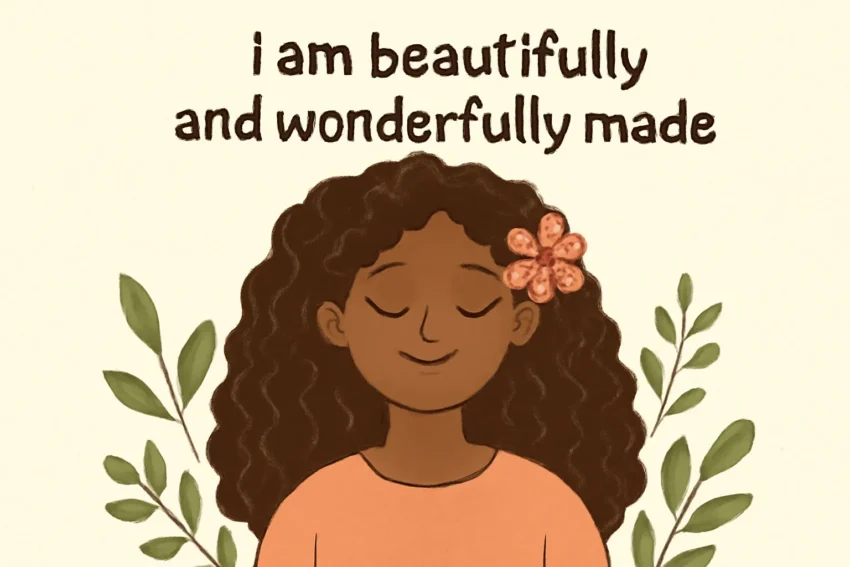
Bible Verse I Am Beautifully and Wonderfully Made: Finding Your Worth and Identity
The phrase “I am fearfully and wonderfully made.” echoes through generations as a powerful reminder of intrinsic worth and identity rooted in the Creator. While the exact wording varies across Bible translations, the/core message remains: you were designed with intention, care, and purpose. In this article, we explore the biblical foundations behind this claim, variations in translation, and practical ways to cultivate a resilient sense of value grounded in God’s design. We will also consider how this truth can shape daily life, relationships, and a sense of belonging within a faith community.
The core promise: you are valued by your Creator
At the heart of the message is the conviction that life has meaning because it is a gift from God. When we say that we are fearfully and wonderfully made, we are not claiming perfection in a worldly sense, but rather acknowledging that our identity carries weight beyond external appearance or temporary achievements. The biblical idea is rooted in the very opening chapters of Scripture: human beings bear the image of God (the doctrine often summarized as Imago Dei). This means that every person reflects a divine dignity that precedes performance, popularity, or possession.
In Psalm 139, the psalmist speaks to the intimate knowledge and care of God in the process of creation. The sentence commonly highlighted is these words, in various translations: I praise you because I am fearfully and wonderfully made (NIV); I will praise thee; for I am fearfully and wonderfully made (KJV); and similar expressions such as Your works are wonderful, I know that full well (NIV). Some modern renderings expand the register to include ideas like beauty and deliberate design, suggesting that human life communicates meaning on multiple levels: physical, emotional, relational, and spiritual.
Exploring the biblical foundations
Psalm 139:14 and its variations
Psalm 139 is a poetic meditation on God’s intimate knowledge of each person. The line that often anchors discussions of worth reads differently by translation, but the heart remains: God crafted us with care, and what God has made is worthy of praise. Across translations, the phrase commonly centers on two ideas: wonder (the sense that God’s works are extraordinary) and careful formation (the sense of being “made” rather than improvised).
Use the variations to enrich your understanding. For instance:
NIV: “I praise you because I am fearfully and wonderfully made.”
KJV: “I will praise thee; for I am fearfully and wonderfully made.”
ESV: “I praise you, for I am fearfully and wonderfully made.”
Paraphrastic or devotional renditions: “I am beautifully and wonderfully made by a Creator who sees every detail of my life.”
Each formulation invites readers to ponder different facets of the same truth: intention, dignity, and a deep sense of belonging to God’s ongoing work in the world.
Genesis and the wider scriptural arc: Imago Dei
Beyond Psalm 139, the Bible’s larger narrative teaches that humans are created in the image of God (Genesis 1:27). This foundational idea informs how we understand worth—not as something earned but as something granted by the Creator. The image of God is not a static trophy; it is a call to live with purpose, to relate rightly to others, and to steward the gifts given by God. When we reflect on this broader context, a person’s identity shifts away from superficial measures and toward a relational reality: you belong to a community and to a divine plan that is larger than any single moment of triumph or failure.
In Christ-focused Christian teaching, this Imago Dei is amplified by the belief that Christ’s life, death, and resurrection open a path to deeper identity. Paul’s teaching on the body of Christ (1 Corinthians 12) and the concept of the church as a family of diverse members united in purpose reinforce the idea that each person has a distinct calling and worth within a larger living body. This broader biblical arc helps believers see themselves not as isolated units but as members of a divine, relational story.
Why the phrase matters for everyday life
When a person claims, internally or publicly, you are wonderfully made, several practical implications follow:
Self-worth is intrinsic. It is not contingent on outward success, appearance, or opinions of others. Your worth comes from being created by a loving God who knows you completely.
Identity is stable yet nurtured. While circumstances may ebb and flow, the biblical claim offers a stable anchor for identity that can be revisited in times of doubt or upheaval.
Dignity informs behavior. A robust sense of worth promotes compassionate treatment of others, healthy boundaries, and a generous posture toward the world.
Hope is forward-looking. If you are “made” with intention, you carry a future-designed purpose that God is continually shaping.
Common misunderstandings and how to address them
Even as this verse provides encouragement, it can be misinterpreted or mishandled. Here are some common pitfalls and how to approach them biblically and pastorally:
Misstep: It’s about flawless appearance. Reality check: the biblical message emphasizes intention and design, not flawless outward beauty. Addressing self-critique with grace helps re-center the focus on divine design rather than fleeting standards.
Misstep: It excuses pride or self-sufficiency. Reality check: being made by God invites humility before the Creator and a grateful posture toward others. Worth does not entail superiority; it entails responsibility and service.
Misstep: It minimizes suffering. Reality check: identity grounded in God’s design can coexist with real pain. God’s care for you does not erase difficulties, but it does provide a framework for enduring and growing through them.
Misstep: It ignores community. Reality check: the biblical account links individual value to relationship within the community of faith and beyond, reflecting a love that reaches outward, not inward alone.
Believing you are beautifully and wonderfully made is not a one-time decision but a daily practice. Below are strategies that help integrate this truth into your life, with practical steps you can try this week.
Affirmations can anchor the heart when thoughts drift toward insecurity. Try a short routine like this:
Choose a Bible verse or a paraphrase that resonates with you (for example, Psalm 139:14 or a paraphrase such as “I am fearfully and wonderfully made.”).
Repeat the line aloud each morning and evening for a week, focusing on the imagery of care and intentional design.
Pair the affirmation with a gratitude practice: name one aspect of your life that reflects God’s design (strength, creativity, kindness, resilience).
In addition to the exact verse, you can craft phrases that emphasize worthiness and identity without becoming fixated on appearance. For example: “I am chosen, cherished, and equipped by my Creator.”
Scripture meditation and reflective practice
To deepen understanding, combine short readings with reflection questions:
Read Psalm 139:13-16 and Genesis 1:27. How do these passages together shape your sense of personal value?
Ask yourself: What does it mean that I am fearfully (reverently) and wonderfully made? Where in my life do I see evidence of careful design?
Write a brief paragraph describing a moment when someone saw you in a way that reflected your God-given worth.
Service, relationships, and the practice of dignity
Identity grows stronger when it is lived out in love and service. Consider these avenues:
Volunteer for a cause that aligns with your gifts. Recognize that your time and talents are valuable gifts that reflect the Creator’s design.
Engage in meaningful, two-way conversations with people who differ from you. The Bible speaks to unity in diversity; every person carries a unique facet of God’s image.
Practice boundaries that protect your dignity and the dignity of others. Being worthwhile does not require compromising personal health or boundaries.
Creative expressions of identity
Art, writing, music, dance, or craft can be powerful ways to embody the truth that you are made with intention. Try a simple exercise:
Spend 15 minutes exploring a creative outlet while reflecting on the idea that you are God’s workmanship.
Keep a visual or textual journal that records moments when you experience or observe God’s care in your life.
Share your creation with a trusted friend or community, opening space for encouragement and mutual affirmation.
Prayer can re-center the heart on the source of value. Suggested patterns include:
Prayer of gratitude: thank God for specific ways He formed you, protected you, and guided you.
Prayer of surrender: acknowledge areas where you feel insecure and invite God’s voice to speak truth over fear.
Worship that celebrates God as Creator: songs, psalms, or contemplative listening that reaffirms dependence on God’s design.
The sense of being beautifully and wonderfully made can adapt to different life seasons. Here are brief reflections and practical cues for varied contexts:
Youth and adolescence: Identity forms rapidly as you encounter new roles, expectations, and comparisons. Ground questions of self-worth in God’s unchanging design rather than peer approval.
Young adulthood: Career choices, relationships, and independence test your sense of value. View work as a vocation to steward God’s gifts rather than a sole source of meaning.
Parenting and family life: Children learn what it means to be valued by witnessing their caregivers’ esteem rooted in God’s love. Model healthy self-regard and humility simultaneously.
Older adulthood and legacy: Reflect on the lifelong journey of being made in God’s image. Your life can teach continuity between Creator and creation through wisdom, compassion, and faithfulness.
Contemporary conversations about mental health increasingly recognize the importance of a robust sense of self-worth. The biblical assertion that you are fearfully and wonderfully made can serve as a resilient resource in moments of anxiety, shame, or self-doubt. When feelings threaten your sense of value, the following habits can help:
Reframe negative thoughts by replacing self-judgment with language that acknowledges God’s care and intentional design.
Practice supportive community by seeking out mentors, spiritual directors, or friends who affirm your dignity without demanding perfection.
Mindful remembrance of the times you have witnessed God’s faithfulness can re-anchor your identity in the long arc of Scripture and history.
In these ways, the verse becomes not only a personal statement but a resource for emotional resilience anchored in a worldview that treats every person as valuable and irreplaceable.
Here are concise responses to common questions people ask about Psalm 139:14 and related themes:
Is this verse about vanity or humility? It is more about dignity and purpose than vanity. It invites humility before God and appreciation of divine craftsmanship, not self-centered pride.
What if I struggle with worth due to past mistakes? The biblical framework emphasizes mercy, forgiveness, and the possibility of renewed identity in Christ. Your value in God’s eyes persists beyond failure, inviting growth and healing.
How does this relate to addressing others’ worth? Recognizing God’s image in yourself should extend to honoring others’ dignity as well, promoting justice, compassion, and inclusive community life.
Can this verse help in counseling and pastoral care? Yes. It can ground conversations about self-esteem, trauma, and recovery within a theological framework that affirms worth and purpose as God-given gifts.
The journey from hearing a phrase like “I am fearfully and wonderfully made” to living it day by day involves intentional practice, community, and ongoing reflection. The biblical claim is not a passive statement but an invitation to participate in a living relationship with the Creator who designed you with care, intention, and love. By anchoring your sense of worth in the Imago Dei and in Christ-centered identity, you can navigate life’s pressures with a steadier heart, engage others with grace, and cultivate a future that honors both your unique design and the dignity of every person you encounter.
As you continue to explore this truth, consider keeping a simple practice: periodically revisit Psalm 139:13-16 and Genesis 1:27, and ask yourself the following questions:
What about my life most clearly reflects God’s design today?
In what areas do I need to relearn trust in my Creator’s plan?
How can I bear the image of God more fully in my relationships and work?
In every season, the message remains hopeful and empowering: you are beautifully and wonderfully made, not by your own achievement alone, but by the gracious workmanship of a Creator who loves you with enduring fidelity. Let this truth shape your self-understanding, your interactions with others, and your daily choices as you grow into a more secure and joyful expression of who you were made to be.