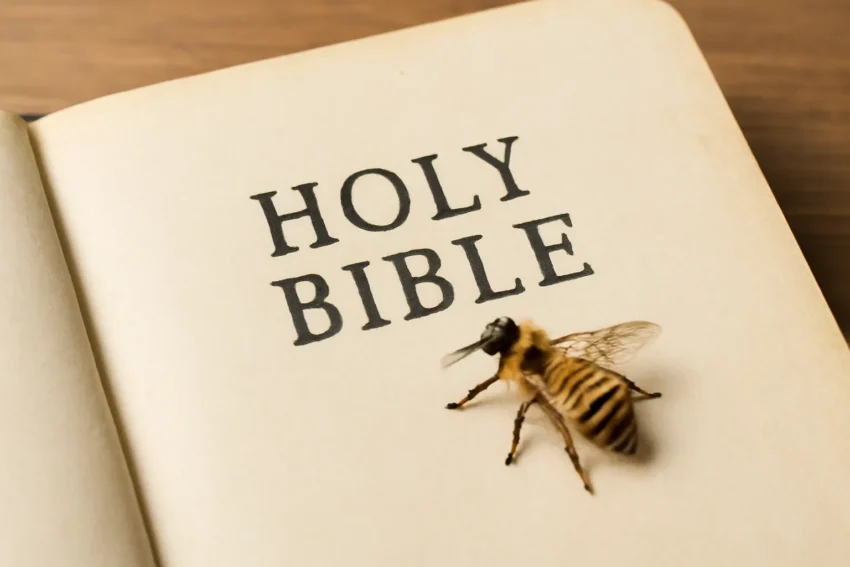
Bees Bible: The Essential Beekeeping Guide for Every Apiary
The world of beekeeping is often described as both art and science, a pursuit that rewards patience, curiosity, and systematic learning. For many beekeepers, the phrase the Bees Bible evokes a trusted companion: a comprehensive reference that blends practical how-tos with a deeper understanding of bee biology and ecosystem health. In this article, we explore Bees Bible as a living, evolving resource—sometimes called the Bee Bible, sometimes the Bible of Beekeeping, but always meant to empower readers to manage colonies with care, efficiency, and respect for the bees themselves. This guide aims to be thorough, but approachable, a modern classroom and workshop in a single volume.
Be aware that the term bees bible appears in several flavors throughout the beekeeping community. You will encounter references to Bee Bible, the Bees’ Bible, and variations like the bee bible or the Bible for beekeepers. All of these phrases describe the same purpose: to distill decades of experience into practical advice that helps beekeepers protect colonies, maximize pollination, and harvest honey in a sustainable way.
This article is organized to serve both newcomers and seasoned practitioners. You will find clear sections that cover equipment, hive design, colony biology, seasonal management, disease and pest control, honey production, queen rearing, and ethical stewardship. Each section uses bold emphasis on key terms and concepts to help you recognize the building blocks of successful beekeeping.
Foundations of beekeeping: philosophy, scope, and goals
Before diving into the nuts and bolts, it helps to state what a Bees Bible often emphasizes: a mindset of observation, record-keeping, and incremental learning. The guide is not a single authoritative rulebook but a framework that invites adaptation to local climate, flora, and beekeeping goals.
Record-keeping: calendars, hive journals, and seasonal plans help you notice trends and anticipate problems.
Adaptation: the ability to adjust management strategies to nectar flows, weather, and colony genetics.
Ethics: welfare of the bees, minimal disruption, and consideration for the surrounding ecosystem.
Foundations of beekeeping: tools, equipment, and setup
A reliable apiary starts with thoughtful preparation. The following lists cover the essential gear and the core hive components every beekeeper should understand. The aim is to provide a practical checklist you can adapt to your season, budget, and space.
Essential gear list
Protective clothing: veil, suit or jacket, and gloves to protect you during inspections.
Smoker: a steady flame and cool smoke help calm bees during hive work.
Hive tool: a flat bar for prying apart frames and scraping excess wax.
Bee brush: a gentle brush to move bees from frames without injury.
Bee feed supplies: sugar syrup or pollen substitutes when natural forage is scarce.
Frames and foundation: pre-made or DIY frames with foundation to build comb.
Hives and components: a hive with the appropriate number of deep and medium supers, bottom board, inner and outer covers, and optionally a queen excluder.
Entrance reducers and mouse guards for seasonally appropriate access control and pest deterrence.
Feeding equipment: a regulator, pint or quart feeders, and queen-safe feeding devices if needed.
Choosing a hive system: Langstroth, Top-bar, and Warre
The modern beekeeping landscape presents several hive architectures, each with distinct advantages. In the context of the Bees Bible, you should understand the three most common designs:
Langstroth hives: the standard in many regions, featuring standardized frames and removable combs for easy inspection and honey extraction.
Top-bar hives: a more natural style that emphasizes horizontal comb building and minimal equipment; great for small-scale hobbyists and education.
Warre hives: a vertical top-off design that favors gentle management and a deeper focus on bee welfare; often used by practitioners prioritizing minimal disturbance.
Each system has trade-offs in cost, ease of extraction, swarm dynamics, and portability. A thoughtful approach—paired with local experience and climate considerations—will help you choose the best-fit hive for your goals.
Understanding the colony: biology, roles, and life cycles
A thriving colony depends on a well-coordinated social structure. This section introduces the core actors, their roles, and the life cycles that drive colony dynamics.
Colony structure: queen, workers, and drones
A healthy colony is organized around three primary castes:
Queen: the reproductive focal point of the colony, whose primary job is laying eggs and maintaining colony cohesion through pheromones.
Workers: non-reproductive females that perform foraging, nursing, wax production, hive maintenance, and defense.
Drones: male bees whose main role is to mate with queens from other colonies; drone presence increases in the peak season when brood production is high.
The intertwined life cycles of brood, food stores, and adult bees determine the colony’s capacity to expand, survive, and winter successfully.
Bee biology: brood, foraging, and communication
Bees communicate primarily through pheromones and a dance language that helps foragers share information about nectar sources. The brood nest, where eggs hatch into larvae, grows and shrinks with the seasons, while workers perform tasks that shift as they age—a progression sometimes described as an “age polyethism.”
To maintain robust colonies, you should monitor two interrelated factors: brood pattern (the distribution of eggs and larvae) and food stores (honey and pollen reserves). When either is imbalanced, colony strength can decline quickly.
Seasonal beekeeping: a practical calendar for management
Seasonal management is the backbone of the Bees Bible approach. Below is a practical framework you can adapt to your local climate. The emphasis is on observation, early intervention, and measured interventions when necessary.
Spring: building strength and establishing order
Inspect colonies for queen productivity, brood area, and food reserves.
Replace or repair damaged equipment and prepare enzyme-free sugar supplies if early nectar is scarce.
Introduce new nucs or splits to grow your apiary responsibly and avoid overcrowding.
Summer: managing nectar flow and colony vigor
Track nectar flow and floral sources; adjust colony density to prevent crowding or swarming pressure.
Perform regular inspections to detect pests like Varroa, signs of disease, or queen problems.
Manage queen age and consider installing small nucleus colonies if you plan expansion.
Fall: consolidating stores and preparing for winter
Ensure ample honey stores; evaluate pollen reserves to support winter brood rearing if applicable.
Shut down ventilation that could chill the cluster while ensuring some airflow to reduce moisture buildup.
Consider varroa management steps in advance of cold weather, as treatment windows shrink when temperatures fall.
Winter: survival, monitoring, and planning
Limit colony opens to essential checks; focus on wind protection and moisture control inside the hive.
Use insulated components or moisture-absorbing materials where appropriate for your climate.
Plan for spring growth by maintaining breeder stock health and updating queen plans based on winter observations.
Health, disease, and pest management
The health of your bees is the best predictor of long-term success. This section outlines common threats and practical, responsible approaches to addressing them. As with any living system, biosecurity and integrated pest management are essential to minimize chemical dependency and preserve colony resilience.
Varroa destructor: a parasitic mite that weakens bees by feeding on their fat bodies and vectors viruses. Monitoring and timely treatment are critical.
Nosema spp.: a microsporidian infection that affects gut integrity and colony vigor, especially in stressed populations.
American foulbrood (AFB): a bacterial disease that decays brood and can devastate a hive if not managed; strict hygiene and timely destruction of affected combs are essential.
European foulbrood (EFB): another brood disease caused by bacteria, often less lethal than AFB but still a management concern.
Small hive beetle (Aethina tumida): a scavenger that can contaminate brood stores and honey with droppings and larvae; control strategies vary by region.
Pest-control strategies and hive hygiene
Regular monitoring: perform standardized checks for mite loads, brood patterns, and signs of disease.
Varroa management: use an integrated approach that may include screened bottom boards, drone brood removal, and approved chemical or non-chemical treatments according to local regulations.
Hygiene and sanitation: replace contaminated frames, wipe surfaces, and ensure clean equipment to reduce pathogen loads.
Biosecurity: avoid introducing bees from unknown sources; quarantine new stock and inspect for signs of disease before joining existing yards.
Always follow local laws and extension service guidance when using chemical treatments. The intention of the Bee Bible is to promote safe, sustainable practices rather than quick fixes that could harm colonies or the environment.
Queen management, breeding, and colony productivity
The queen’s vitality is central to colony performance. The Bees Bible treats queen management as a proactive, ongoing practice rather than a one-time action.
A strong queen ensures consistent brood patterns and reliable laying during peak seasons.
Genetic traits in the breeder stock influence honey production, temperament, and disease resistance.
Queen age and mating success shape colony growth trajectories and winter survivability.
Basic queen-rearing concepts
Understanding queen cups and grafting basics helps when you plan to raise your own queens for resilience and uniformity in your apiary.
Nucleus colonies and split strategies are practical ways to introduce new queens and manage swarming pressure.
Queen introductions should be done carefully to minimize rejection and ensure colony acceptance.
Harvesting honey, processing, and storage
Honey harvest is often the most visible and rewarding outcome of beekeeping. The Bee Bible emphasizes careful timing, hygienic extraction, and proper storage conditions to maintain quality and flavor.
Harvest timing and readiness
Harvest when honey stores are abundant and moisture content is appropriate for your region.
Check for queen safety and avoid disturbing brood during the honey harvest window to protect colony health.
Extraction, filtration, and bottling
Use a honey extractor to spin honey from frames while preserving combs for reuse.
Filter and cure honey to remove particulates and reduce moisture to stable levels.
Bottle in clean containers, label with flavor notes if applicable, and store in a cool, dry place away from direct sunlight.
Nutrition, flora, and pollination
The health of a colony is tied to the nectar and pollen available in the surrounding landscape. The Bees Bible encourages beekeepers to consider ecological context and to support diverse forage to promote resilient pollinator populations.
Nectar sources vary by region and season; diverse bloom reduces competition and supports steady honey production.
Pollen diversity boosts brood nutrition and colony vitality, especially for queens and larvae.
Bees contribute to the broader ecosystem through pollination services, supporting crops and wild plants alike.
A thoughtful beekeeper also considers the impact of management on surrounding wildlife and flowering flora. The practice of sustainable foraging, habitat restoration, and minimal chemical dependence aligns with the broader ethic of this guide.
Beekeeping as stewardship: ethics, sustainability, and community
A central thread in the Bees Bible is the idea that beekeeping is a form of stewardship. Your apiary should be integrated into the local environment in a way that supports pollinator health, biodiversity, and neighborly collaboration.
Ethical considerations: humane handling, minimal disruption during inspections, and transparency with neighbors about apiary activities.
Environmental sustainability: avoiding chemical overuse, prioritizing non-chemical management where possible, and encouraging plantings that support bees year-round.
Community engagement: sharing harvests, inviting newcomers to learn, and contributing to local conservation efforts.
Record-keeping, planning, and continual learning
A key practice taught by the Bee Bible is keeping records that translate experience into better decisions. The easiest way to start is with a simple hive log, then gradually add details about queen lineage, treatment dates, and honey yields.
Practical record-keeping tips
Record inspection dates, brood patterns, and colony strength.
Note treatments, products used, and outcomes to inform future disease management.
Track honey yields and forage conditions to correlate floral resources with production.
Over time, your records become a personal archive of experience, a resource you can consult when expanding operations or mentoring other beekeepers.
Beekeeping education: learning paths and community resources
The Bees Bible is, properly understood, a living document shaped by field experience and scientific advancement. Many beekeepers enrich their knowledge through:
Local extension services and master beekeeper programs.
Beekeeping clubs, soda clinics, and hands-on workshops.
Scientific literature on Colony Collapse Disorder and related topics, responsibly interpreted for practical use.
Field days that encourage hands-on practice with different hive configurations and management strategies.
Common challenges: troubleshooting with confidence
Even with a solid foundation, beekeeping presents ongoing puzzles. The goal of this guide is to provide a framework for diagnosing issues and response plans without panicking the beekeeper or the bees.
Recognizing a healthy vs. stressed colony
A healthy hive maintains steady brood production, adequate food stores, and a calm demeanor during inspections.
A stressed hive may show uneven brood patterns, dwindling stores, strong flight activity at the entrance but weak inside, or aggressive behavior when approached.
Early warning signs and actions
Sudden drops in egg laying or brood viability—check for queen issues or disease.
Unusually high mite loads—address with approved management strategies and adjust monitoring frequency.
Moisture problems inside the hive—solve with ventilation adjustments and proper insulation.
In all scenarios, the Bees Bible advises patience, careful observation, and staged interventions. Quick fixes can create bigger problems, especially when dealing with brood and queen health.
Putting it all together: building a robust apiary plan
A practical apiary plan integrates your local climate, floral resources, equipment, and health strategies into a cohesive system. The following steps outline a sensible path for deploying this knowledge in a real-world setting.
Assess your locale: climate, nectar flows, overwintering needs, and local pests.
Choose a hive type aligned with your goals and skill level, then source compatible components.
Establish a bedrock management routine: regular inspections, timely queen status checks, and proactive pest monitoring.
Develop a seasonal calendar with goals for spring buildup, harvest windows, and winter preparation.
Build your knowledge base: keep notes, join a community, and read critically to adapt new findings to your apiary.
Conclusion: The Bees Bible as an ongoing companion
The idea of Bees Bible—whether you call it the Bee Bible, the Bees’ Bible, or the Bible for beekeepers—is to offer a durable framework for understanding bees, managing colonies responsibly, and contributing to a healthier environment. It is not a fixed decree but a living scaffold that grows with your experience, your community, and the evolving science of apiculture.
As you engage with this guide, you should feel empowered to tailor practices to your own circumstances. Use the sections as a reference, the bold terms as anchors for learning, and the variations of the name—Bees Bible, Bee Bible, Bees’ Bible—as reminders that knowledge in beekeeping is broad, collaborative, and continually evolving.