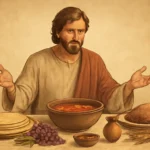
Haggai originates from the Hebrew root ח.ג.א (h.g.ʾ), meaning 'festival' or 'celebration'. The name is likely linked to the Hebrew verb חגג (hiḡgēg), meaning 'to rejoice' or 'to hold a festival'. The suffix '-i' is a common Hebrew ending denoting 'my' or related to a personal connection, making Haggai akin to 'my festival' or 'festival of Yahweh.' Historically, the name conveys joy and celebration associated with religious festivals or divine joy, emphasizing the joyous nature of worship and community gatherings for ancient Israelites. Its use underscores themes of rejoicing in God's blessings, making the name both a personal and communal expression of faith.
Original Language
Hebrew
Transliteration
הַגַּי
Pronunciation
Hah-GAH-ee
Literal Meaning
Festival of Yahweh
Gematria Value
60 (Hebrew Gimatria for Haggai), signifying beauty or praise, aligning with themes of joy and divine approval.
✨ Spiritual Meaning
Haggai symbolizes divine rejoicing and the call to spiritual renewal. As a prophet's name, it reflects a message of encouragement, hope, and rebuilding faith, emphasizing joy in God's plan and collective worship. The name invites believers to find joy in divine purpose and restoration, reinforcing the importance of faithfulness and community cohesion in spiritual life.
Prophet who motivated the Israelites to rebuild the Temple
His messages motivated the Jewish community to restore worship and re-establish Jerusalem, emphasizing divine favor and spiritual renewal.
🏺 The Name in Cultural Context
In biblical times, naming often reflected hope, circumstances, or divine inspiration. The name Haggai, meaning 'Festival of Yahweh,' likely signified joy or celebration related to God's blessing or a special occasion, such as the return from exile. It underscores the importance of Sabbath, festivals, and religious commitment in Israelite society. Parents choosing this name expressed faith in divine intervention and their desire for their child to embody joy, faithfulness, and spiritual revival, especially during times of rebuilding and renewal post-exile.
🔗 Related Names
Name
Relationship
Meaning
Hagai
variant
Same root, meaning ‘festive’ or ‘rejoicing’
Yahiah
related name
Yahweh is my witness
📚 Where This Name Appears
{'Haggai': 1}
👶 As a Baby Name Today
Haggai remains a rare yet meaningful name in Jewish communities, symbolizing spiritual renewal and celebration. Its historical significance as a prophet's name lends it a sense of tradition and purpose. Though uncommon globally, it appeals to parents seeking a distinctive biblical name rooted in faith, with variations like Hagai appearing in Israel and among Hebrew-speaking populations. The name carries connotations of joy, faithfulness, and divine blessing, making it suitable for children expected to inspire or embody spiritual strength.
🌍 In Other Faith Traditions
In Islamic tradition, the name Haggai is not directly used, but the general theme of rejoicing and divine celebration aligns with the Arabic 'Eid' festivals. In Judaism, it remains a revered biblical name associated with a prophet who fostered spiritual renewal. The name's roots emphasize joy in divine service, and it is celebrated among Jewish communities for its historical and spiritual significance.
Haggai means ‘Festival of Yahweh,’ reflecting joy and celebration in divine worship.
Who was Haggai in the Bible?
Haggai was a prophet who encouraged the Israelites to rebuild the Temple after the exile, inspiring spiritual renewal.
Is Haggai a common modern name?
It is relatively rare but meaningful, especially among Hebrew-speaking communities, symbolizing faith and joy.
✨ Did You Know?
Haggai is one of the shortest prophetic books in the Old Testament, consisting of only two chapters. The prophet's name embodies a theme of celebration and divine favor, emphasizing the importance of joy and community in faith practices.