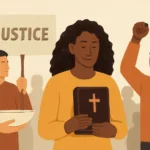
Across the biblical narrative, caring for the poor is not a cultural add-on but a core expression of faith. This article gathers and reflects on biblical emphases on compassion, mercy, justice, and practical generosity toward those in need. We will explore how different parts of Scripture speak to this essential virtue, show how the message is consistent yet richly varied, and offer ideas for applying these principles today in communities, churches, and households.
Overview: Why the Bible Speaks Loudly About the Poor
The biblical witness treats poverty and wealth as moral realities that reveal the condition of the heart and the health of a community. The call to care for the poor is tied to the nature of God—God as a defender of the vulnerable, as one who notices the fainting spirit and the hungry stomach, and as the one who invites people into a life of relationship with him through acts of mercy. In this sense, compassion is a spiritual fruit with social consequences, not a private virtue alone. This overview will survey the breadth of the topic, showing how the Bible connects personal virtue with communal justice, and private generosity with public righteousness.
Old Testament Foundations: Law, Covenant, and Compassion
The Law and the Poor: Redirected abundance
In the Old Testament, the law repeatedly makes room for the poor within agricultural cycles and social expectations. The farmer is instructed to leave the edges of the field unharvested so that the vulnerable can glean for themselves, a practice that preserves dignity while supplying basic needs. This provision for the marginalized is framed as a covenantal obligation—an expression of trust in God as the sovereign who cares for all people, including those who have less.
Field margins left for the poor and the stranger
Reminder that distributions should be just and generous rather than exploitative
Recognition that wealth carries responsibility to uplift the least advantaged
In addition, the Torah’s social laws describe fair wages, protection for workers, and safeguards against predatory behavior toward the vulnerable. These concerns are not isolated; they are integrated into a vision of a community that embodies justice and mercy, where wealth serves life rather than power.
Prophetic Voices: Calling Out Injustice and Urging Mercy
Prophets like Isaiah, Amos, and Micah pronounce verdicts against social violations that affect the poor. They call God’s people back to a holistic righteousness that includes ethical treatment of the marginalized. The prophetic critique is not merely about personal piety but about a social order that reflects God’s will. When justice is absent, the prophetic verdict is clear: the people have missed the heart of their covenant with God.
Relief of the oppressed as worship that God accepts
Warnings against spiritual pretense without social mercy
A vision of a society that honors the vulnerable through justice, mercy, and humility
Key texts emphasize practical care—feeding the hungry, sheltering the homeless, and defending the rights of the downtrodden—as essential expressions of true righteousness. By focusing on how communities treat their poor, the prophets reveal the social dimension of true faith.
Wisdom Literature: Practical Advice on Generosity and Humility
Proverbs on Generosity, Dignity, and Reciprocity
The wisdom tradition offers clear, practical guidance about how to relate to the poor. It treats generosity not as a mere transaction but as a posture of the heart. A generous eye or a spirit of lending and mercy is connected with blessing and flourishing. Wisdom literature invites readers to examine motives—whether wealth is hoarded for comfort or shared for the common good—and to value the dignity of those who receive assistance.
Generosity yields blessing and community welfare
Mercy should be a consistent habit, not a dramatic exception
Compassion honors the image of God in every person
Practical Wisdom on Work, Wealth, and Fairness
Proverbs and other wisdom writings underscore the dangers of exploitation and the value of fair dealing. They warn against oppressing the poor or manipulating the vulnerable for personal gain. The ethical instruction blends justice and mercy—a balance between a prudent approach to money and a compassionate posture toward people.
In this tradition, generosity is connected to everyday decisions—what you give, what you share, and how you treat workers and neighbors. The goal is not sentimentality but a way of life that reflects good stewardship and humble service.
Gospels and the Teachings of Jesus: Compassion as Core Identity
Jesus’ Parables and Commands: Encountering the Least in the King
In the Gospels, Jesus redefines greatness through service to the vulnerable. He blesses the poor in spirit, the hungry, the mourners, and the overlooked. His teaching challenges readers to regard social status not as the measure of worth but as the field where love grows into action. Several motifs recur: hospitality to strangers, care for the sick, and sharing resources with those who cannot repay.
Hospitality as a concrete practice of neighbor-love
Use wealth to lift up others rather than to inflate status
See the divine image in every person, especially those with the fewest resources
The Sheep and the Goats: A Testimony of Faith in Action
A strikingSummary of Jesus’ ethical expectations is found in the parable of the sheep and the goats: those who care for the hungry, thirsty, stranger, naked, sick, and imprisoned are welcomed into the kingdom, while neglect is linked to judgment. The message is explicit: faith expressed in action toward the vulnerable is central to discipleship.
Shortly put, the Gospels present compassion as a visible sign of the gospel, a practical outworking of belief that affects how believers spend time, money, and energy—especially toward those with the least capacity to repay.
New Testament Letters: Remembering and Sharing with the Poor
Early Church Practice: Shared Wealth and Communal Responsibility
The Book of Acts recounts a church that shared all things in common, selling possessions to meet the needs within the community. While the specifics vary in different contexts, the spirit is clear: generosity was the ordinary rhythm of early Christian life, and the church took responsibility for its members’ welfare while reaching outward to assist others.
Communal care reflected in practical provisioning
Charitable giving that supports both believers and the wider community
Accountability and stewardship in distributing resources
Letters Emphasizing Remembering the Poor
Paul and other early writers encourage generosity toward the poor as part of the gospel mission. The exhortations stress both the theological justification for giving and the practical implications of such giving. The principle is not merely about charity but about partnership in the gospel, where wealth is used to advance healing, justice, and shared life in Christ.
Across the epistles, you’ll find calls to support the needy, especially the “saints” in other regions, and to welcome the stranger, which becomes a broader ethic of hospitality and inclusion for the church body and beyond.
Theological Themes and Ethical Implications
Wealth, Poverty, and the Image of God
One of the most consistent theological threads is that wealth and poverty touch not only economics but human dignity and divine image-bearing. People are not to be treated as means to an end but as neighbors made in God’s image who deserve care, respect, and opportunity. This theological baseline undergirds both personal generosity and social advocacy.
Justice and Mercy: Two Sides of the Same Coin
Across biblical books, justice and mercy appear as intertwined virtues. Justice calls for right ordering of society so that the vulnerable are protected, while mercy expresses compassionate willingness to help those who cannot protect themselves. When these are held in balance, a community grows in holistic righteousness rather than isolated acts of kindness.
Practical Applications for Today: How to Live This Out
Within Your Local Community
Putting biblical compassion into day-to-day practice involves both heart and hands. Consider these concrete avenues for biblical care for the poor in a local setting:
Partner with local food banks and shelter programs to ensure steady access to essentials.
Volunteer time for mentoring, tutoring, or job-skill training to empower people toward lasting independence.
Support transparent, accountable giving that prioritizes dignity and autonomy for recipients.
Host hospitality events that bring people in from the margins into the life of the church or community center.
Advocate for policies that improve access to affordable housing, healthcare, and education.
Within Your Family or Household
Family life offers a powerful context for modeling generosity. Practicing concrete acts of care can begin with small, daily decisions that cultivate empathy, such as including those in need at family meals, sharing resources, and inviting others into ordinary rhythms of life. The goal is to embody a faithful, humble generosity that displays the gospel in tangible ways.
The Bible acknowledges a broad, interconnected church. Supporting international relief, fair-trade initiatives, and sustainable development projects can reflect a global concern that aligns with biblical instruction to remember the poor beyond our borders. The gospel is universal, and so our care can extend across cultures, respecting local contexts while promoting human flourishing.
Common Questions and Thoughtful Considerations
How can we balance generosity with personal responsibility and accountability?
What does it mean to respect the dignity of those we help, avoiding paternalism or stigma?
How do we distinguish between relief that meets immediate needs and restoration that fosters long-term independence?
In wealthier communities, how should we respond when inequality is systemic rather than merely personal?
What role do prayer and spiritual formation play in shaping our attitudes toward the poor?
These questions do not have one-size-fits-all answers, but they point toward a holistic practice that blends theology, practice, and discernment. The Bible invites believers to seek wisdom, listen to those who are vulnerable, and act with integrity and humility.
Variations in Wording Across Translations: A Brief Note on Language
Different biblical translations phrase these themes in slightly different ways, which helps readers see the breadth of the message. For example:
In some translations, phrases like “care for the poor” emphasize social responsibility as a core expression of faith; in others, the language focuses on mercy and compassion as inner dispositions that translate into outward acts.
The call to share what you have may be rendered with terms such as give, lend, distribute, or provide for—each highlighting a facet of generosity.
Parabolic and narrative sections preserve the same moral conclusions while presenting them through stories that spotlight real-life encounters with marginal voices.
While wording differs, the traction remains: compassionate action toward the vulnerable is a central dimension of faithful witness.
Conclusion: Walking in Mercy and Justice
Throughout Scripture, the imperative to care for the poor is a thread that weaves together worship, ethics, and daily living. The biblical vision calls for more than occasional assistance; it invites a transformative posture that sees the image of God in every neighbor, especially those who are most vulnerable. Whether through personal generosity, communal care, or advocacy for justice, the Scriptures present a robust and holistic picture of what it means to live out the gospel in a world marked by inequality and need.
As you reflect on these passages and their variations across translations, consider how your own life and community embody the core calls to mercy and justice. Seek practical ways to care for the poor that preserve dignity, empower people to thrive, and, at the same time, shape a more faithful, compassionate community that witnesses to the power and goodness of God’s rule in Jesus Christ.