The 121st Psalm, commonly known as a quintessential Psalms of Ascent text, invites readers into a moment of focused trust. Nestled among the collection often labeled Shir HaMa’alot—songs attributed to pilgrims climbing toward Jerusalem—the 121st psalm stands out for its explicit proclamation of divine help and protection. Whether read as ancient poetry, liturgical prayer, or a personal confession of faith, this brief composition has exerted a powerful influence on devotional life across generations. In this article, we explore the meaning, significance, and devotional insights of the 121st Psalm, using varied expressions such as Psalm 121, Psalms 121, and the 121st Psalm to broaden our understanding of its themes and applications.
The 121st Psalm in its Context
Authorship, classification, and historical setting
Traditionally, many scholars and readers associate the Psalms of Ascents with a setting of pilgrimage: faithful travelers leaving home and journeying to the holy city, lifting their eyes to the hills as a moment of reflection, prayer, and hope. The 121st Psalm is numbered among Psalm 120–134, a sequence understood by many as a curated collection meant to accompany and accompany worshipers on their ascent. While explicit authorship for Psalm 121 is not stated within the text itself, medieval and later traditions commonly attribute a Davidic aura to many of the Psalms in this section, even as modern scholars acknowledge a range of possible authors and compilations. The essential point for both ancient readers and contemporary listeners is not so much who wrote it as what the words themselves reveal: a declaration that God is present, attentive, and protective throughout the journey of life.
The imagery of ascent and reliance
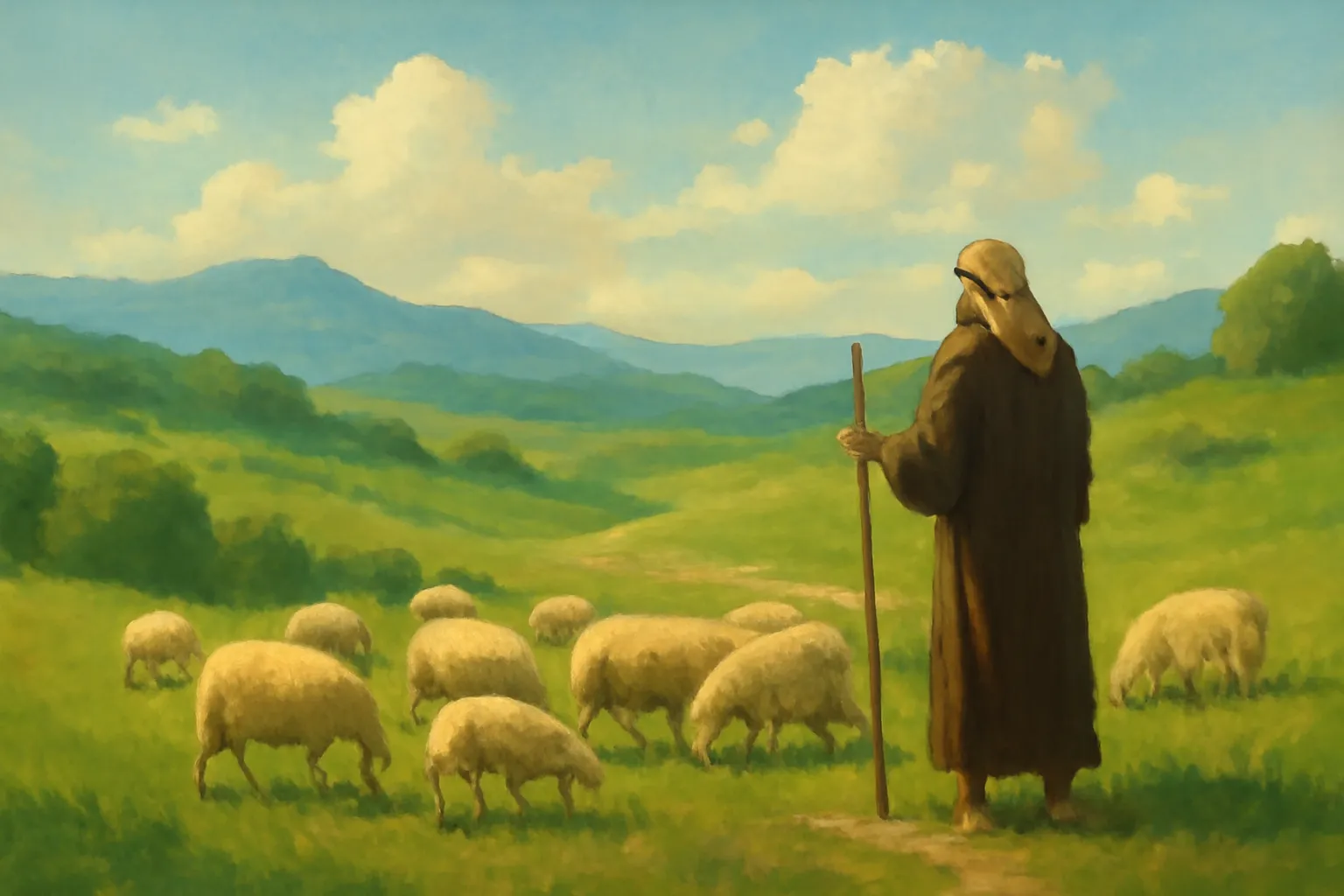
The psalm’s opening line sets a vivid scene:
I lift up my eyes to the hills—where does my help come from?
This question opens a meditation on source and dependence. The hills are not merely geographical markers; they symbolize the world’s challenges, uncertainties, and potential dangers that surround the traveler. Yet the psalmist responds with a confident, line-by-line declaration of aid that originates beyond human effort: My help comes from the Lord, the Maker of heaven and earth.
Two key ideas emerge from this context:
Divine sovereignty—the one who created the heavens and the earth is intimately involved in human life.
Divine fidelity—God’s vigilance and faithfulness are ongoing, not episodic.
Core meaning and theological themes
To understand the meaning of the 121st Psalm, it helps to map its central motifs and how they relate to the experience of faith communities across time. Here are the principal ideas, each carrying layers of meaning for personal devotion and communal worship.
God as source of help
Across translations, the psalm advances the assertion that help comes from the Lord, not from human strength or worldly power. This emphasis shifts trust from the visible to the invisible, from the immediate to the eternal, and from self-reliance to divine reliance.
God as Creator and Sustainer
The phrase “the Maker of heaven and earth” foregrounds a cosmological picture: God is the artisan of the entire created order. This framing elevates God above small fears and situates daily life within a larger, purposeful design. The Creator’s activity is not distant or abstract; it is intimate and constant.
Protection and guardianship
The psalm pivots toward a sure confidence in God’s watchfulness and protection. The later verses describe God as a guardian who does not slumber nor sleep, a metaphorical way of saying that divine care is tireless and unyielding. For readers in danger, stress, or transition, this persistent guardianship offers both reassurance and a framework for prayer.
Journey, safety, and presence
Public worship and personal piety alike often emphasize the psalm’s practical dimension: during life’s climbs—whether literal pilgrimages or metaphorical journeys through hardship—God’s presence remains a steadfast compass and shield. This makes the 121st Psalm a frequent companion in times of travel, illness, relocation, or decision-making.
Scholars frequently note the psalm’s concise poetic architecture, which uses parallelism, repetition, and vivid imagery to reinforce its messages. Some notable features include:
Opening question and confident answer—a call-and-response rhythm that invites the reader into trust.
Chiasmus and symmetry—the movement from eyes to hills, from human need to divine provision, and then to divine protection that follows the journey.
Personification of safety—concepts like protection, shade, and shelter are imagined as active, protective presence in the traveler’s life.
Cosmic scale language—the Creator of heaven and earth provides a frame for earthly concerns, placing personal anxieties within a larger divine economy.
In this light, Psalm 121 isn’t merely a plea; it’s an articulate confession of faith about who God is and how God acts in time, space, and human life. The language invites readers to rehearse a theology of trust: when the road is uncertain, when danger lurks, when fatigue dulls the senses, remember who is watching, remember what God has made, and remember that help comes from a reliable source.
The 121st Psalm holds an enduring place in both Jewish and Christian devotional life. Its significance can be understood through several lenses:
Liturgical and devotional use
In Jewish practice, songs of ascent accompanied pilgrims to Jerusalem, weaving together themes of blessing, safety, and divine care as they encountered the city’s gates. In Christian worship, Psalm 121 has been embraced as a text for personal devotion, congregational songs, and call-and-response liturgies. Its succinct, memorable lines render it adaptable for settings as diverse as morning prayers, hospital chaplaincy, or moments of national crisis. The Psalm’s emphasis on divine protection makes it a natural choice for moments of risk, travel, or transition, while its global imagery invites reflection on God’s care across cultures and continents.
Pastoral and counseling contexts
Because the psalm frames life’s journeys within a framework of trust in God and divine protection, it has often served in pastoral counseling and spiritual direction as a source of comfort. For people facing relocation, new jobs, illness, or grief, the psalm offers a language of reassurance: help is not just a feeling or a wish; it is a confident assertion about God’s character and acts in history.
Artistic and cultural resonances
Apart from its liturgical role, Psalm 121 has inspired painters, poets, and musicians who seek to visualize the journey, the hills, and the divine guardian. The phrase “the Maker of heaven and earth” invites contemplation of creation as a backdrop to human experience. In literature and music, this psalm often functions as a refrain of hope, a reminder that the ordinary traveler can be carried by a larger, benevolent order.
Below are several devotional insights drawn from the text, designed to help individuals and groups engage with Psalm 121 in meaningful, everyday ways. We present them with variations of the psalm’s wording to emphasize semantic breadth and relevance across contexts.
Insight 1: A posture of looking up and trusting
The opening image—I lift up my eyes to the hills—encourages a deliberate posture. In daily life, this can translate into starting the day with a moment of orientation toward God before acting. It’s a call to shift the source of strength from ordinary routines to a higher, divine horizon.
Devotional practice: Begin your day with a two-minute glance upward, aloud or in your heart: “My help comes from the Lord, the one who made heaven and earth.” Let this be a line you return to when plans falter or news feels overwhelming.
Insight 2: Reframing danger as a manageable reality under divine care
When danger or fear arises, the psalm reframes danger as something observed from a place of certainty. The shift from anxiety to trust does not erase risk; it reframes it in light of God’s constancy.
Devotional practice: List three situations where you felt at risk this week. Beside each, write a short affirmation derived from the psalm’s message, such as “God watches over you—no sleep, no pause in care.”
Insight 3: Creation as a reminder of God’s longevity and power
The title “Maker of heaven and earth” anchors personal worries in the Creator’s expansive authority. This reminder invites humility and awe, alongside practical step-by-step faithfulness.
Devotional practice: Spend time outside or observe the sky. Reflect on the vastness of creation and connect personal concerns to the Creator who sustains it all. Journal one line about how this perspective affects a decision you face.
In communal settings, Psalm 121 can serve as a shared declaration of care and solidarity. A community recitation or responsive reading fosters a sense of protection that extends beyond the individual to the group.
Devotional practice: In a group setting (family, church, study circle), take turns reading portions of the psalm aloud, then each person shares a brief reflection on a time when they sensed God’s help or protection in their own life.
Insight 5: Translational variety as a doorway to broader meaning
Different translations render phrases with nuance—e.g., “the guardian of Israel” in some versions, or “the Lord keeps you” in others. These variations illuminate different facets of trust: guardianship, constancy, and personal presence. Engaging multiple translations can deepen understanding and application.
Psalm 121 shows how language shapes perception of God’s action. Here are some representative renderings and the implications they carry for meditation and practice:
“I lift up my eyes to the hills; where does my help come from? My help comes from the Lord, the Maker of heaven and earth.” (Common English Bible/KJV-type renderings) — Emphasizes direct origin of help and God’s sovereignty over creation.
“From where comes my help? My help comes from the Lord, the Maker of heaven and earth.” — Highlights the motion of seeking help and identifies the Lord as source rather than place.
“The Lord will watch over your going out and your coming in from this time forth and forevermore.” (a paraphrase style found in some renditions) — Focuses on ongoing protection across day-to-day activities.
“The Lord is your keeper; the Lord is your shade at your right hand.” — Some translations stress immediacy of care and protective presence in daily life, such as walking in the sun or facing danger.
“The guardian of Israel never slumbers nor sleeps.” — A compact, assertive line that underscores vigilance and constancy.
Each variant invites readers to reflect on a different aspect of God’s character—creator, protector, watchman, and constant companion. For someone exploring the 121st Psalm, comparing translations can be a fruitful spiritual exercise, revealing how facets of God’s relationship with humanity are emphasized in different linguistic traditions.
The 121st Psalm has traveled beyond textual study into living worship and creative expression. Its concise, memorable lines translate well into songs, meditation practices, and visual art. In churches, it may appear in hymnals, liturgical readings, or as a refrain within a service about trust, protection, and God’s care for travelers—literal travelers and those who feel spiritually unsettled. In families and small groups, it can function as a devotional anchor: a short, potent text that centers gratitude and reliance on divine care, while inviting personal storytelling about times of danger, healing, or rescue.
Morning prayer: Read the psalm aloud, then reflect silently on a daily habit of looking to God for help.
Evening gratitude: Revisit the verses in reverse order, noting ways God protected you during the day.
Travel blessing: Use the psalm as a blessing before a journey, whether physical travel or a new season in life.
Group reflection: A small group can recite the psalm together and share one story of divine help from the previous week.
Today, readers may encounter the 121st Psalm in a variety of contexts—from quiet corner worship to large-scale religious services, from personal journals to digital devotion apps. Its clarity of purpose—trust in a reliable, benevolent Creator who cares for every step of the journey—resonates across cultures and eras. In a world of uncertainty, the psalm offers a concise framework for navigating risk, loss, or change with courage rooted in faith.
Reading the 121st Psalm today invites several reflections that can shape one’s theology and daily life:
God’s identity as Creator grounds all human experience in a larger story of creation and purpose.
Divine vigilance reframes fear by presenting a God who is intimately aware of every life circumstance.
Protective sovereignty does not imply absence of struggle but assures that protection accompanies the journey through struggle.
Reliance as a virtue redefines strength from self-sufficiency to humble trust.
Encouragement for pilgrims—whether on literal pilgrimages, life transitions, or spiritual quests—the psalm validates the experience of risk while offering a trustworthy horizon.
Readers and students often ask practical questions when engaging with this psalm. Here are some frequently posed inquiries, with concise responses that reflect the text’s spirit and traditional interpretation:
Who is the psalmist? The text does not name the author; it belongs to the collection of Psalms of Ascents, which historically served pilgrims and worshipers as they moved toward Jerusalem.
What does “the hills” signify? Symbolically, hills represent the world’s challenges and the context in which people live—places of risk, transition, and opportunities for faith to mature.
Why is God described as the Maker of heaven and earth? This title emphasizes God’s sovereignty, creative power, and enduring presence over all creation, serving as a ground for trust.
How can this psalm be meaningful in today’s world? Its core claim—God’s constant care and protection—addresses universal human concerns: safety, guidance, healing, and hope amid uncertainty.
The 121st Psalm stands as a compact, enduring meditation on trust, protection, and divine guardianship. Its opening question—I lift up my eyes to the hills—where does my help come from?—gives way to a robust, confident affirmation: My help comes from the Lord, the Maker of heaven and earth. This declaration does more than comfort; it restructures the reader’s understanding of where strength resides and how support is provided in the journey of life.
Across centuries and cultures, the Psalm 121 has continued to be a source of encouragement for travelers, a refuge for the weary, and a language for expressing trust in a God who neither slumbers nor sleeps. Whether you encounter the 121st Psalm as Psalm 121 in your Bible, as Psalms 121 in a liturgical setting, or as the 121st Psalm in a devotional booklet, its message remains remarkably singular: God’s care accompanies every step, and in every ascent, one may rely on the divine presence who guards the traveler, sustains the journey, and invites a life of hopeful trust.