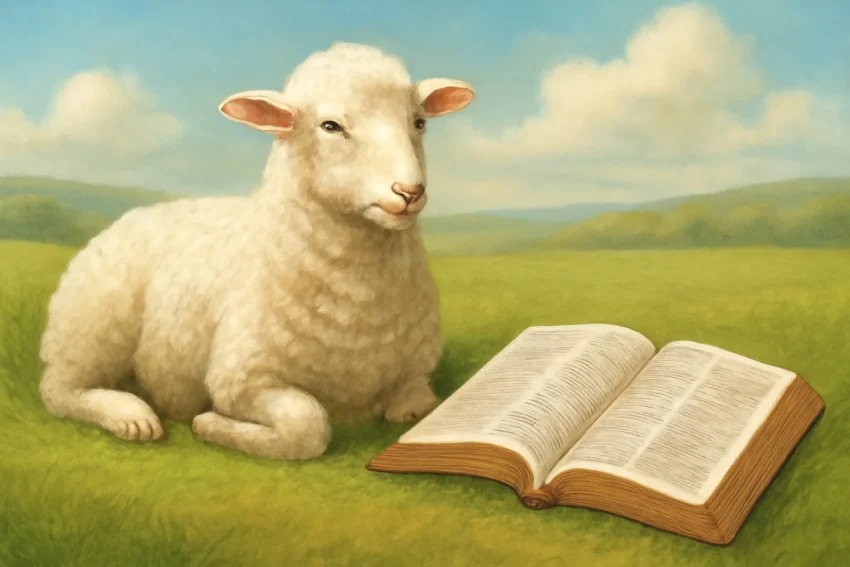
Throughout the biblical sheep landscape—whether you call it sheep in Scripture, biblical sheep, or the flock in the Bible—one theme recurs: dependence on a caretaker, guidance through danger, and a shared identity that binds a community. The image of sheep appears in varied genres and periods: poetry, prophecy, historical narrative, wisdom literature, and early Christian writings. It is a versatile symbol that communicates vulnerability and trust, discipline and protection, scarcity and abundance. This article aims to map out the meaning of these creatures in biblical thought, explore the symbolism attached to them, and survey the most key passages that use sheep and lamb imagery to illuminate faith, ethics, and salvation.
Meaning: What Do Sheep Represent in the Bible?
To understand biblical sheep, we must start with their ordinary, everyday life in the ancient Near East. Sheep were a principal source of wool, milk, and meat, and they often traveled in flocks under the watchful eye of a shepherd. But beyond economic utility, the shepherd–sheep relationship became a powerful metaphor for God’s relationship with people. In many parts of Scripture, the rhetoric of sheep is used to convey dependence, care, accountability, and harmony within a community.
The herd and flock imagery in the Bible is not merely pastoral decor. It embodies a theology of leadership and belonging. When a shepherd guides the flock, danger recedes and sustenance appears. When the flock wanders, vulnerability increases. Those dynamics translate into human experience: guidance from God or from spiritual leaders, the safety of communal trust, and the need for repentance when individuals stray.
In the New Testament, the metaphor shifts in nuance as Jesus identifies himself as the Good Shepherd who lays down his life for the sheep. In the Old Testament, the image often centers on protection, provision, and judgment—cultivating a sense of covenant belonging. Across both testaments, sheep imagery communicates the tension between human frailty and divine faithfulness.
Symbolism in the Bible: How Sheep Contribute to Meaning
The symbolism of the lamb and the sheep runs through multiple strands of theology. Here are some of the most enduring associations:
Lamb of God and sacrificial language: The lamb is a symbol of substitutionary sacrifice, notably in passages about atonement and redemption. The idea that a spotless animal could take the place of a sinner is a recurring thread that culminates in Christian reinterpretation of Jesus as the ultimate lamb without blemish.
Lost and found imagery: A single lost sheep can prompt a shepherd to seek it until it is found, signaling the value of every individual and the joy in restoration (see Luke 15).
Protection and care: The staff and rod of the shepherd symbolize guidance and discipline, indicating safe passage through danger and moral formation for the flock.
Inclusion of the nations: The flock motif extends beyond a single community, representing a broader spiritual family that includes both Jews and Gentiles, united under the one Vinedresser and Shepherd.
Pasture and renewal: The green pastures and refreshing waters in Psalm 23 symbolize divine provision and rest for the faithful.
Messianic expectation: The lamb serves as a symbol of the future king and restorative justice, especially as prophetic writers describe a day when the Lamb will reign in peace.
In sum, bible sheep serve as a versatile shorthand for divine leadership, communal responsibility, personal accountability, and the hope of restoration. They invite readers to consider their own stance before God—whether as those who follow, as those who wander, or as those who protect the vulnerable members of the flock.
Important Passages Involving Sheep: A Thematic Tour
Psalm 23: The Lord as Shepherd
Psalm 23 is perhaps the most famous example of sheep imagery in Scripture. The opening line, «The Lord is my shepherd; I shall not want,» frames God’s care as a shepherd’s protective presence. The shepherd’s guidance leads the believer to green pastures and still waters, steps that symbolize spiritual nourishment and peace. The imagery of anointing oil, a cup overflowing, and the valley of the shadow of death expands the sense of divine provision even through danger. Psalm 23 invites readers to trust a leadership that knows the way through uncertain terrain and to experience personal safety within a community that follows the same shepherd.
John 10: The Good Shepherd and His Sheep
In the Gospel of John, the Good Shepherd discourse reframes the relationship between God and human beings. Jesus presents himself as the shepherd who knows his sheep, his sheep know him, and he lays down his life for the flock. This passage emphasizes:
Intimate knowledge of each sheep, and the reciprocal recognition between shepherd and flock.
Protection through self-giving, as the shepherd risks danger for the sake of the sheep.
Security in unity, as one shepherd gathers a single flock that extends beyond any single tribe or nation.
This Christological reading of biblical sheep opens a window into early Christian identity: disciples are not only followers but members of a living community under the care of the Savior who knows each member by name.
Luke 15: The Parable of the Lost Sheep
The lost sheep parable in dramatizes the value of one over ninety-nine and the joy of restoration. The shepherd’s tireless search reflects God’s patient mercy toward the wayward. The outer frame of the story—celebration over a found sheep—highlights communal gladness and the transformative impact of repentance. In the broader arc of the gospel, this sheep recovery motif communicates inclusive mercy: no one is beyond reach, and every return sparks rejoicing in heaven.
Isaiah 53: A Lamb Led to Slaughter
The prophetic text in Isaiah 53 uses lamb imagery to describe the Suffering Servant. The language—such as being «like a lamb led to the slaughter»—invites reflection on innocent suffering as part of a redemptive purpose. Although it is a prophetic passage in its own right, Christians have long read this imagery as foreshadowing the Lamb of God who bears the sins of many. The connection between the suffering of the servant and the substitutionary symbolism of the lamb without blemish has shaped how readers interpret sacrifice, justice, and mercy in biblical theology.
Ezekiel 34 frames a critique of human shepherds who failed to care for the flock. The passage contrasts negligent leaders with the true shepherd who seeks, binds, heals, and feeds the scattered sheep. This text has both social critique and a spiritual promise: God will restore the lost and bring back the scattered. The shepherd–sheep theme in Ezekiel deepens the sense that leadership in the biblical world carried moral responsibility for vulnerable creatures and the welfare of the whole community.
1 Peter 1:19 The Lamb Without Blemish
In the New Testament letter of 1 Peter, believers are described as having been redeemed not with corruptible things like silver or gold, but with the precious blood of Christ, «as of a lamb without blemish and without spot.» This phrase ties the old sacrificial language of the temple to the person and work of Jesus, presenting him as the ultimate fulfillment of the sacrificial lamb motif. It invites readers to contemplate the cost of redemption and the integrity of divine love.
Revelation 5 and 7: The Lamb Who Was Slain
In the apocalyptic literature of Revelation, the central image of the Lamb appears as a victorious, yet sacrificial figure who is worthy to open the scrolls and usher in divine triumph. The imagery of the Lamb—slain, yet standing—captures the paradox of suffering that leads to ultimate victory. Later chapters extend the shepherd–flock motif into the eschatological future, where the Lamb guides the multitude to living waters. This encourages readers to view history as moving toward a divine restoration in which the flock of God is led to abundance and peace.
Historical and Theological Interpretations: How the Sheep Motif Shaped Belief
The biblical sheep narrative has shaped Christian and Jewish thought across centuries. Here are some enduring interpretations:
Covenant identity: The people of Israel are described as the sheep of his pasture (Psalm 100:3), emphasizing belonging to a covenant relationship with God, under his care and discipline.
Church as flock: In the teachings of Jesus and the writings of the apostles, the early church saw itself as a flock under the Good Shepherd, bound together by shared beliefs and mutual responsibility.
Atonement and sacrifice: The lamb imagery provided a bridge from OT sacrifices to the Christian claim about Jesus’ death as the atonement for humanity’s sins.
Inclusion and mission: The lost sheep motif underlines a mission ethos: no one should be excluded from God’s care. The church is called to seek and welcome outsiders, extending the shepherd’s care to all nations.
Ethical stakes: The Ezekiel 34 critique of negligent leaders becomes a normative call for just leadership, accountability, and the humane treatment of those entrusted to a community’s care.
The theological witness surrounding biblical sheep thus spans personal devotion and public ethics—inviting believers to follow the Shepherd’s voice, protect the weak, and work for restoration of the whole flock.
Common Misunderstandings and Clarifications
As with any rich symbol, it’s possible to mistake certain aspects of sheep imagery in Scripture. Here are some clarifications that help prevent oversimplification:
Not all sheep represent mere blind obedience: In John 10, the sheep hear the shepherd’s voice and know him; this implies trust grounded in relationship rather than unthinking compliance.
Lamb does not always mean cruelty-free innocence: While the lamb can symbolize purity and sacrifice, it also points to suffering and resilience in the servant who bears burdens for others.
Old Testament sacrifices differ from New Testament fulfillment: OT lamb offerings served ritual and covenant purposes, while NT imagery presents Jesus as the fulfillment of those motifs in a deeper, cosmic sense.
“Lost sheep” is about belonging, not condemnation: The parable emphasizes that the seeking shepherd rejoices in restoration, highlighting God’s mercy rather than judgment toward the wandering.
Language shifts across genres: Poetic Psalms, prophetic books, gospel narratives, and apocalyptic literature all use the same motif differently. Interpreters should honor the literary context to avoid forcing one meaning onto another.
Practical Takeaways: What Can Readers Learn From Bible Sheep?
Trust in divine guidance: Like a flock following a shepherd, a faithful life rests in listening to God’s direction, especially when paths are uncertain.
Value every member of the flock: Luke 15’s lost sheep reminds believers that every person bears intrinsic worth and deserves effort, welcome, and care.
Embrace accountability and discipline: The shepherd’s staff represents correction and mercy, which can lead to growth within a faith community.
Recognize suffering and sacrifice: The lamb imagery invites contemplation of self-giving love and the costs of redemption for the community.
Spread the message beyond borders: The shepherd–flock metaphor in Scripture often extends to all nations, encouraging a mission-minded, inclusive faith practice.
For personal study, consider reflecting on Psalm 23 as a template for how God acts as a guardian, guide, and provider. For linguistic and literary study, explore John 10 to see how Jesus redefines leadership as self-sacrifice. And for ethical reflection, engage with Ezekiel 34 and the corresponding New Testament exhortations about shepherding with justice and compassion.
If you want to explore the theme of biblical sheep more deeply, here are some approaches:
Compare translations: Read parallel translations of passages like Psalm 23 and John 10 to observe how terms like “shepherd,” “sheep,” and “flock” are rendered.
Study biblical weight: Trace how the same animal imagery gains new significance across Old and New Testaments, from law to gospel to apocalypse.
Explore rabbinic and early Christian interpretations: Look at how early Jewish and Christian writers used sheep imagery to articulate morality, worship, and identity.
Apply to life: Consider practical ways to embody the shepherd–flock ethic in contemporary communities—pastoral care, mentoring, and hospitality.
Concluding Thoughts: The Enduring Gift of the Sheep Motif
In the biblical narrative, the humble creature we call sheep becomes a profound lens for spiritual truth. The flock is protected by a leader who knows each member by name, values every life, and is willing to sacrifice for the well-being of the group. The lamb imagery moves from ritual animal sacrifice to a narrative in which the Lamb of God stands at the center of mercy, justice, and cosmic renewal. Across bible sheep interpretations—from ancient poetry to early church proclamation—the core message remains timely: guidance, belonging, mercy, and renewal are not abstract ideals but lived realities within a God-who-cares-for-a flock.