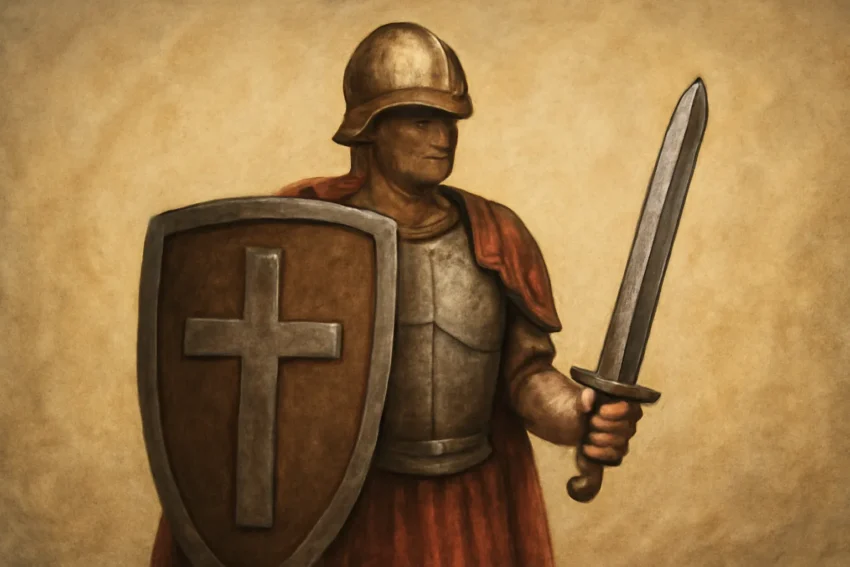
Throughout the Christian tradition, the image of armor has served as a vivid metaphor for the ways believers face life’s challenges. Bible armor, also known as the Armor of God, is not physical gear but a set of divine resources and disciplines designed to protect the inner life—mind, heart, and will—from spiritual harm. This comprehensive guide introduces the concept of spiritual protection, explains each component of the armor of God, and offers practical ways to apply these timeless truths in contemporary life. Whether you call it divine armor, the gospel armor, or a modern form of armor of light (a phrase that appears in related biblical imagery), the goal remains the same: to equip believers to stand firm in faith, hope, and love.
The imagery originates in the apostle Paul’s letter to the Ephesians, where he uses the language of a Roman soldier to describe how a follower of Christ can prepare for spiritual warfare. While the specifics are anchored in first-century life, the underlying principles translate across generations. In a world full of moral ambiguities, social pressure, and personal doubt, the armor of God functions like a spiritual toolkit—anchored in God’s truth and animated by prayer—to help a believer walk with integrity, confidence, and peace.
The Armor of God in Ephesians 6:10–18: A Clear Framework for Spiritual Readiness
The core biblical passage on this topic is found in Ephesians 6:10–18. Here, the apostle Paul urges believers to “put on” a complete set of protections so that they may stand against the schemes of darkness. The language emphasizes intentionality: the armor is not a passive beacon but a conscious selection—daily and moment by moment.
Central to this framework are six pieces of equipment, each with a symbolic meaning. In addition to these, a robust practice of prayer in the Spirit—often described as the sword of the Spirit when wielded through a life of supplication—serves as the dynamic force that animates the armor. Understanding these elements in their scriptural context can help readers discern how to apply them in daily routines, challenging seasons, and moments of decision.
Key Themes to Notice
Truth as the foundation for conduct and identity
Righteous living as a protective measure for the heart
Peaceful readiness to share the gospel and extend mercy
Faith as the shield that repels doubt and fear
Salvation as a cognitive and emotional safeguard for the mind
Scripture as a living weapon for discernment and proclamation
The Six Pieces of the Armor: A Detailed Walkthrough
The armor of God comprises six primary pieces plus a crucial practice that binds them together. Below you’ll find each component with its symbolism, practical implications, and suggested daily applications. The goal is not merely acquaintance with a list of terms but an invitation to embody these virtues in concrete ways.
The Belt of Truth
The first piece, often described as the girdle of truth, holds the rest of the armor together. In biblical imagery, a belt anchors a soldier’s weapons, secures garments, and centers posture. The Belt of Truth is likewise foundational: it is not merely factual accuracy but a life aligned with divine reality.
Symbolism: Integrity, authenticity, and alignment with God’s will. Truth stabilizes the core of character, enabling honest self-examination and trustworthy relationships.
Practical applications:
Begin each day with a time of honest self-reflection and scriptural engagement to ground actions in reality as God defines it.
Speak truth in love, resist manipulation or exaggeration, and cultivate transparency in relationships and work.
Study Bible passages that emphasize the nature of truth and its ramifications for daily decision-making.
The Breastplate of Righteousness
The Breastplate of Righteousness protects the heart and internal life from moral compromise, guilt, and despair. In biblical symbolism, the breastplate guards vital organs—especially the heart—against incoming threats, and the same concept applies to guarding conscience and motives.
Symbolism: Integrity in action; a life that reflects God’s justice, mercy, and commitment to what is right even when it is costly.
Practical applications:
Build habits of ethical discernment in daily decisions—work, finances, relationships, and media consumption.
Practice confession and repentance as a daily discipline, maintaining a clean conscience before God and others.
Seek reconciliation and justice where there is harm, embodying righteousness through acts of mercy and courage.
Feet Fitted with the Gospel of Peace
The Shoes of the Gospel of Peace equip the believer for readiness, stability, and forward movement. In ancient armies, soldiers wore sturdy sandals that allowed swift, steady travel across varied terrain. Spiritually, the footwear invites a posture of readiness to share the good news and to stand firm in peace amid conflict.
Symbolism: Preparation to proclaim the gospel, resolve conflicts biblically, and move toward opportunities for ministry without hesitation.
Practical applications:
Develop a daily habit of reflecting on opportunities to share hope with others—your words and actions can become a demonstration of peace in a troubled world.
Study how Jesus modeled peacemaking in difficult contexts to imitate his approach in contemporary settings.
Practice sound judgment when navigating disagreements, aiming to restore rather than to win arguments.
The Shield of Faith
The Shield of Faith is described as extinguishing “the flaming arrows” of the evil one. In spiritual warfare language, faith acts as a protective barrier against doubt, fear, temptation, and despair.
Symbolism: Trust in God’s character, promises, and faithfulness, which creates a defensive perimeter around the mind and heart.
Practical applications:
Cultivate daily reminders of God’s faithfulness—testimonies, Scripture memory, and prayers that reinforce confidence.
Write down fears and then bring them before God in prayer, asking for perspective and courage to move forward in faith.
Engage in community that strengthens trust in God and provides accountability in trials.
The Helmet of Salvation
The Helmet of Salvation guards the mind against despair, cynicism, and existential confusion. Salvation here encompasses not only the moment of salvation but the ongoing assurance and security of God’s saving work in a believer’s life.
Symbolism: Assurance of God’s redemptive plan, protection for thoughts, and the mindset that corresponds to being rescued by grace.
Practical applications:
Affirm your identity in Christ daily, resisting labels of failure or worthlessness.
Engage in Scripture memory that centers your thoughts on God’s promises and future glory.
Use journaling as a tool to process fear and then reframe it through the lens of salvation and hope.
The Sword of the Spirit
The Sword of the Spirit is unique among the armor pieces because it is both defensive and offensive. It represents the Word of God—a living and active instrument by which truth is spoken, discerned, and applied.
Symbolism: Scripture as a practical tool for discernment, revelation, exhortation, and proclamation.
Practical applications:
Regularly study and memorize key verses that address common struggles—temptation, fear, moral questions, and injustice.
Learn to interpret Scripture in its context and apply it with wisdom in real-world scenarios.
Use the Word in prayer for guidance, persuasion, and encouragement in difficult conversations.
Prayer and Spiritual Disciplines: The Power Behind the Armor
While each piece of the biblical armor provides a symbol of character and conduct, the sword of the Spirit is most effective when empowered by ongoing prayer. The armor is not meant to be worn in isolation; it thrives in a life that communicates with God, seeks wisdom, and welcomes community support.
Consistent Prayer as a Core Practice
Put plainly, prayer is the connective tissue that binds all the other elements. It is through prayer that believers align their will with God’s, gain clarity of purpose, and invite divine strength into daily decisions.
Engage in daily prayer that includes praise, confession, supplication, and intercession.
Pray with Scripture in mind, letting God’s words shape your requests and responses.
Incorporate moments of quiet listening—allowing God to correct or encourage you as needed.
Additional Spiritual Disciplines
Beyond prayer, other practices fortify the armor of God by shaping habits, community, and resilience.
Study of Scripture to deepen understanding of truth and righteousness.
Fellowship with believers to encourage accountability and shared discernment.
Worship and gratitude that remind the heart of God’s goodness.
Service to express the gospel in tangible ways to neighbors and strangers alike.
Putting on the Armor: Practical Ways to Live the Armor of God Daily
The imagery of putting on armor invites daily discipline. This is not a one-time ritual but a routine of preparation so that a believer can face ordinary days and extraordinary trials with steadiness and hope.
Daily Routines That Cultivate Spiritual Readiness
Begin with a small ritual of truth-telling about your strengths and weaknesses, inviting God’s guidance for growth.
Choose a short, focused set of verses to meditate on each day, enabling retention and practical application.
Set boundaries that protect time, protect attention, and protect your heart from influences that erode righteousness.
Facing Temptation and Trials with the Armor
Recall the belt of truth to re-anchor your decisions when pressure rises.
Clothe yourself with righteousness to respond with integrity rather than expediency.
Approach conflict with the gospel shoes—seek peace, model patience, and offer practical mercy.
Stand firm behind the shield of faith to extinguish anxiety-inducing thoughts.
Guard your mind with the helmet of salvation—remind yourself of God’s saving work and future promise.
Forgotten but Essential: Community and Accountability
A solitary Christian life can be vulnerable to subtle erosion. The armor of God is strengthened in community. Engaging with trusted friends, mentors, or a faith community provides accountability, encouragement, and practical wisdom for applying the biblical armor in fresh contexts.
Common Questions and Clarifications about Bible Armor
As with any ancient metaphor, readers often have questions about how to translate the imagery into modern experience. Below are some common inquiries and concise answers to help deepen understanding without losing the core insight.
Is the Armor of God a guarantee of protection from all harm?
Not exactly. The promise of the Armor of God is not a shield from every physical difficulty but a framework for moral resilience, spiritual discernment, and steadfast faith through trials. The true protection is relational—anchored in God’s character and secured through the throughline of prayer and obedience.
How can I practically know what is “truth” in a given situation?
The Belt of Truth is both objective and relational. It begins with the revealed truth of God’s Word and is tested by love for neighbor, diligence in study, and obedience to God’s leading. When in doubt, seek counsel, examine the fruit of decisions, and align steps with Scripture’s overarching truth about God and humanity.
What is the role of the Scripture in the Armor of God?
The Sword of the Spirit is the active application of God’s Word. Scripture enlightens, convicts, comforts, and empowers. It is not a mere intellectual exercise but a living instrument when embraced with faith, prayer, and humility.
Historical and Theological Context: Why This Armor Matters Across Generations
The Armor of God resonates across time because it addresses universal human needs: truth-telling, moral courage, hopeful perseverance, and the longing for security against fear. The imagery corresponds with long-standing biblical motifs—God as shield (Psalm 3; Psalm 18), the armor imagery in prophetic and wisdom literature, and the call to spiritual vigilance in multiple New Testament letters.
The historical setting of Paul’s letter helps readers appreciate how the armor mirrors a Roman soldier’s gear while also transcending it. The belt, breastplate, sandals, shield, helmet, and sword map onto virtues such as integrity, righteousness, readiness to share good news, steadfast faith, secure identity in salvation, and the Word as a catalytic instrument for change. The result is a robust, balanced approach to spiritual life that honors both grace and responsibility.
Beyond the explicit list in Ephesians, the Bible offers related metaphors for protection and strength. Some readers encounter phrases like armor of light (Romans 13:12) and other imagery that reinforces the same aim: to walk in truth, love, and steadfast hope under God’s protection.
Armor of Light: A metaphor for living openly in the truth and radiating godly influence in a world of darkness.
Shield and Refuge imagery in Psalms and prophetic literature, emphasizing God as protector and fortress.
Helmet of Salvation and other mind-centered protections appear in multiple biblical passages, reinforcing the sufficiency of God’s saving work for mental and emotional security.
Exploring these variations can deepen comprehension and help readers see how the core message—trusting God and aligning life with His truth—remains the essential center of spiritual protection.
Conclusion: Embracing Bible Armor for Everyday Life
The Armor of God is less a relic of early Christian experience and more a practical framework for contemporary living. Its six pieces—truth, righteousness, readiness to share the gospel, faith, salvation, and the Word—turn from mere symbols into active habits that shape character and resilience. When these elements are integrated with consistent prayer and supportive community, believers can navigate personal challenges, social pressures, and moral dilemmas with integrity and hope.
If you are new to this imagery, start small: memorize a verse that anchors your identity, reflect on a moment you chose truth over comfort, or plan one act of mercy that embodies righteousness. If you are more advanced in your spiritual journey, consider how each piece can be reinforced in your current season—perhaps by mentoring someone, engaging in a service project, or leading a small group through a study of Ephesians 6. The journey of donning the biblical armor is ongoing, but every deliberate step strengthens faith, fosters peace, and helps you stand firm in the face of whatever comes your way.